
The Music She Gave Me
Bob Ritter Honors His Mother, Lydia Ritter
About This Story
Lydia Ritter never sought the spotlight.
An artist, pianist, songwriter, wife, and mother, she quietly nurtured the people around her, encouraging their gifts while asking for little recognition herself. Though many people knew Bob Ritter’s father as a successful basketball coach, Bob remembers his mother as the quiet force who held their family together and first placed music into his life.
Looking back, he realizes the greatest gift she ever gave him wasn’t a song.
It was the confidence to become the person he was created to be.
Episode Photographs




.jpg)







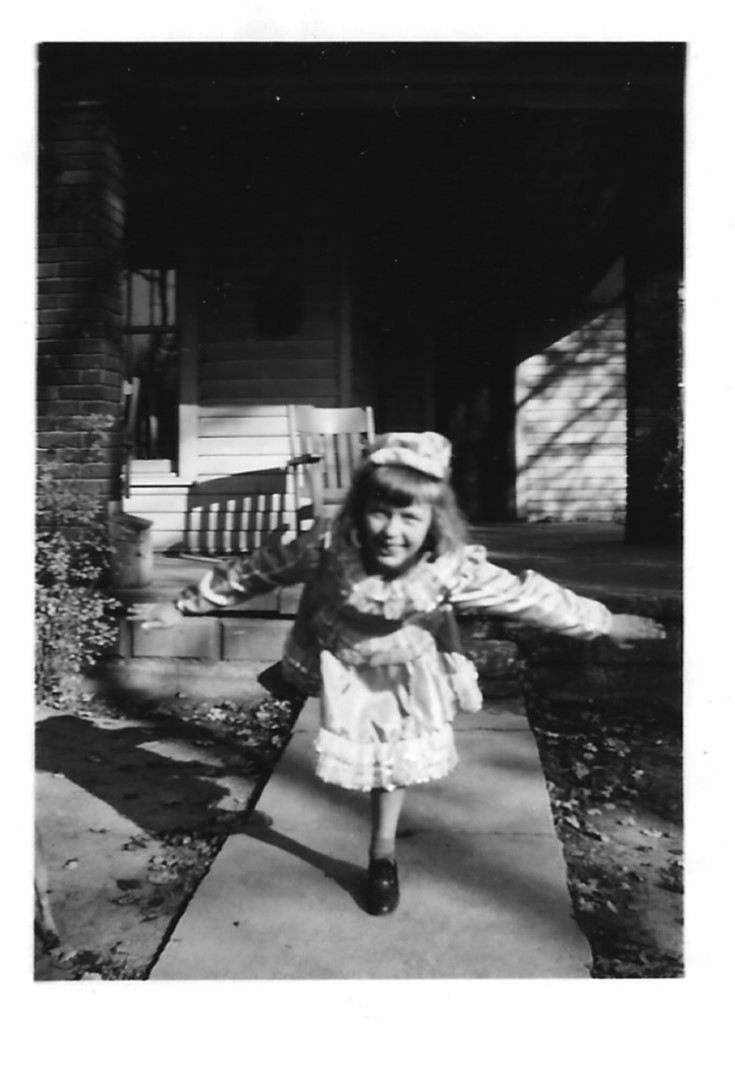
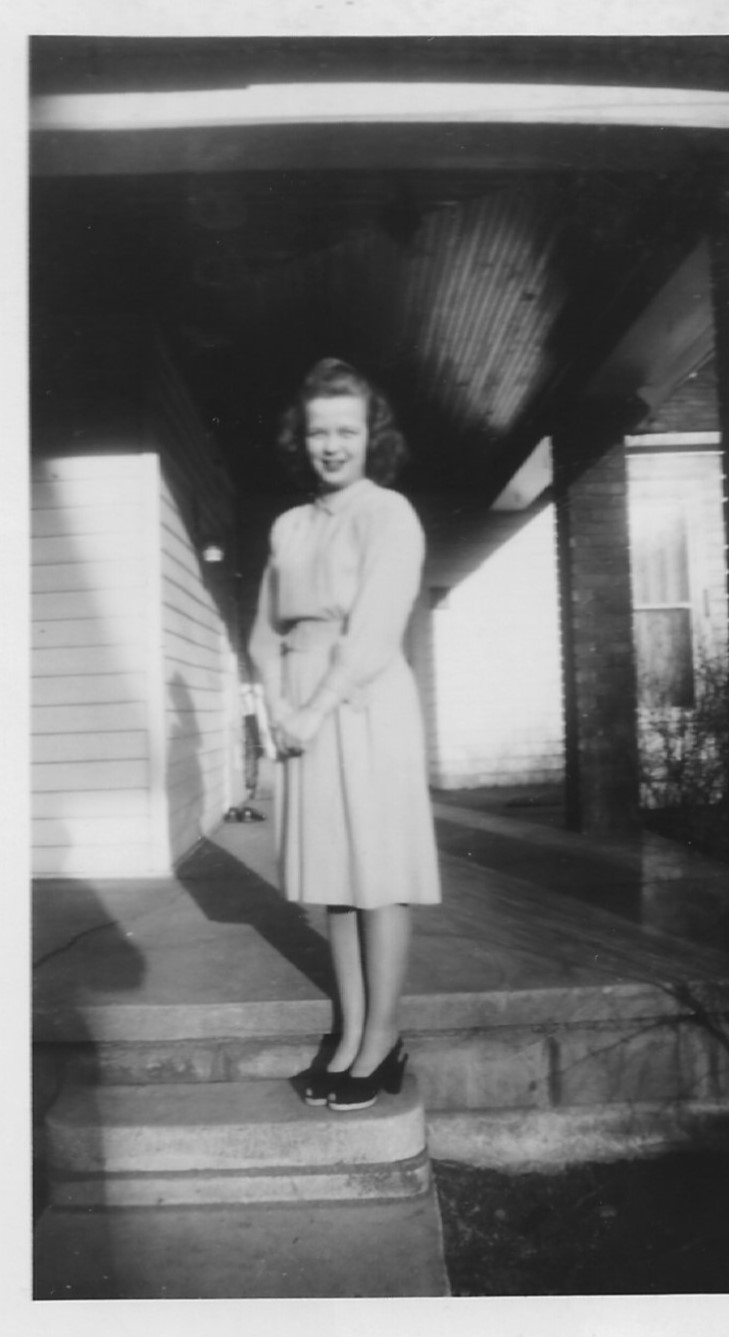
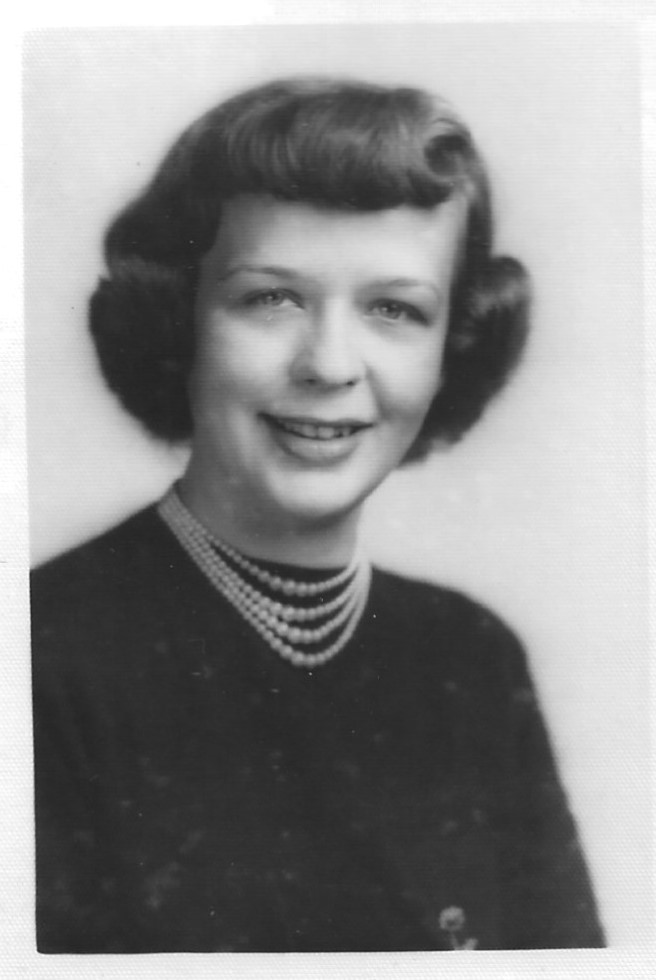
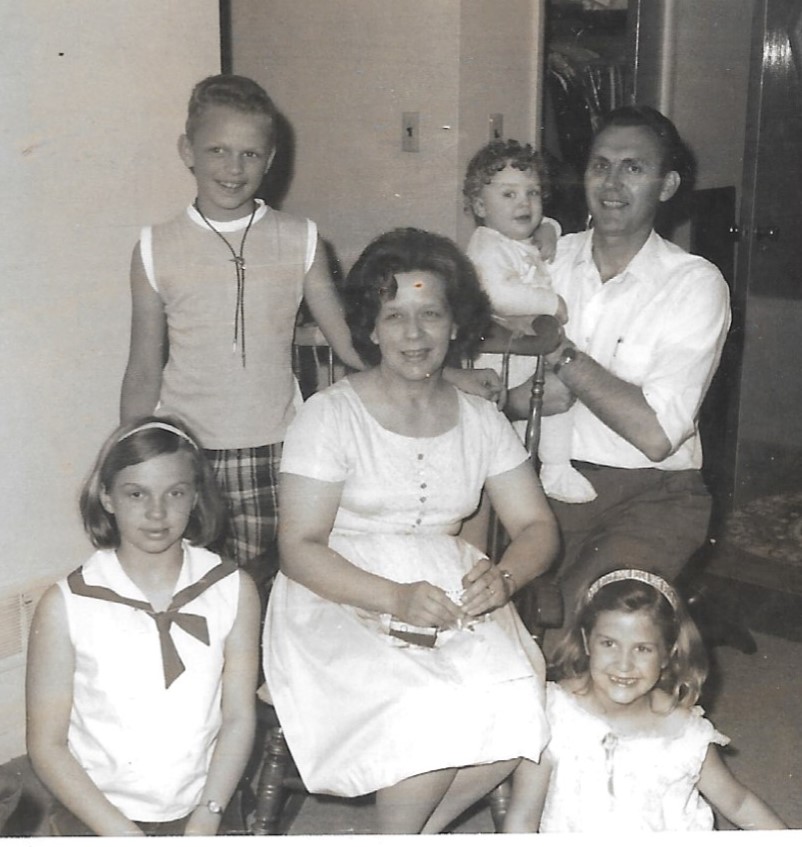



More to Explore
Lydia Ritter - The Family Team
Bomar & Ritter
Mentions
Legacy Stories - Related Info
The Our American Family public television docuseries is the inspiration for Legacy Stories. As a thank-you during the launch of Legacy Stories, all eight Our American Family documentaries are available for free viewing at the link above.
Karlijn Langendijk is a Dutch guitarist and composer known for her melodic imagination and genre-blending acoustic style. Her composition, Atlas, has been chosen as the theme music for Legacy Stories.
The Music She Gave Me
Bob Ritter Honors His Mother, Lydia Ritter
Some people leave their mark with great accomplishments that everyone can see.
Others change lives so quietly that their influence isn’t fully understood until years later.
That was Lydia Ritter.
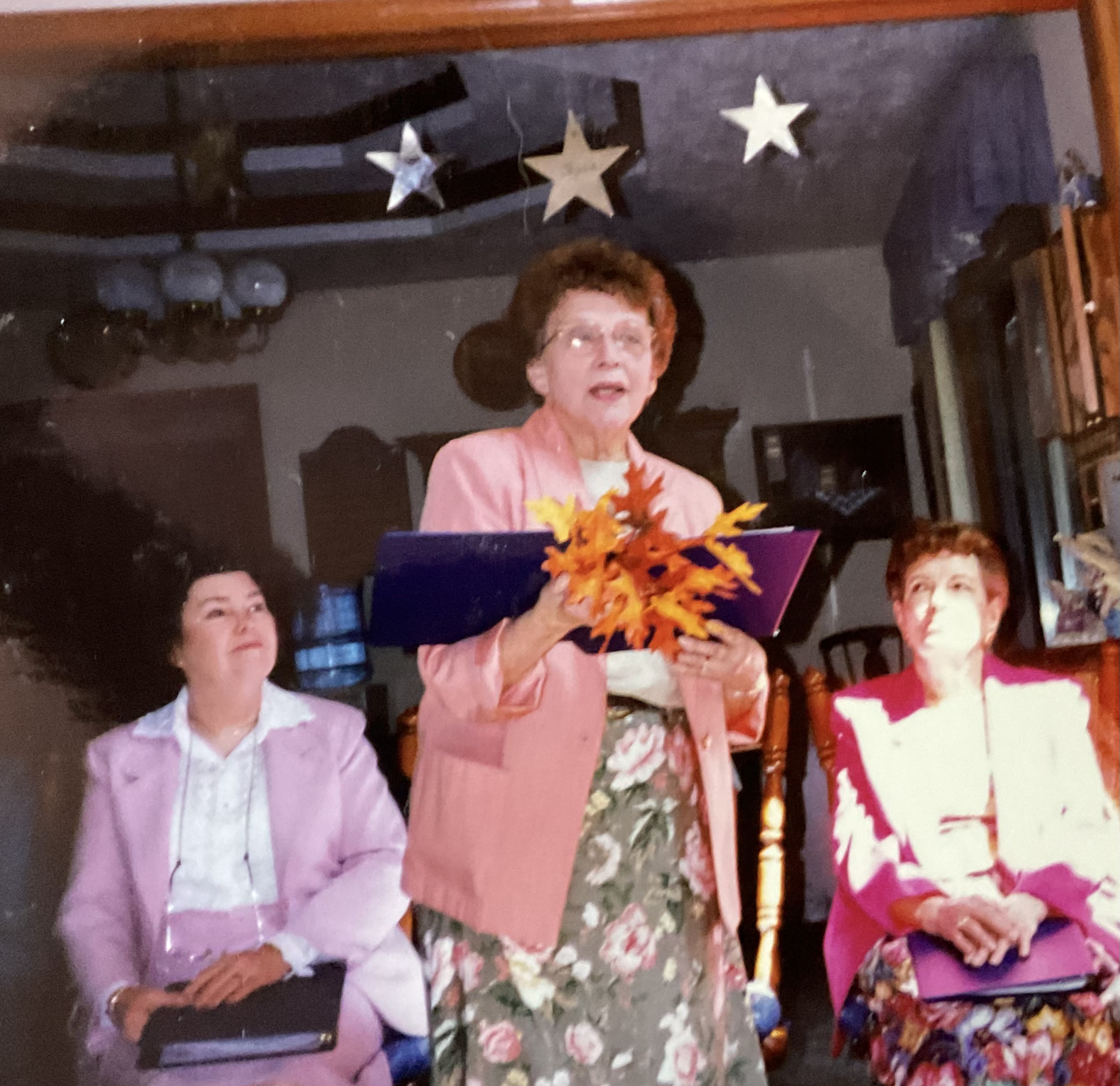
Bob describes his mother as “the wind beneath my dad’s wings.” His father was the well-known basketball coach, the public figure people recognized. Lydia was the quiet strength behind the family. She kept everything moving while making it seem effortless, never asking for recognition and never seeking the spotlight herself.
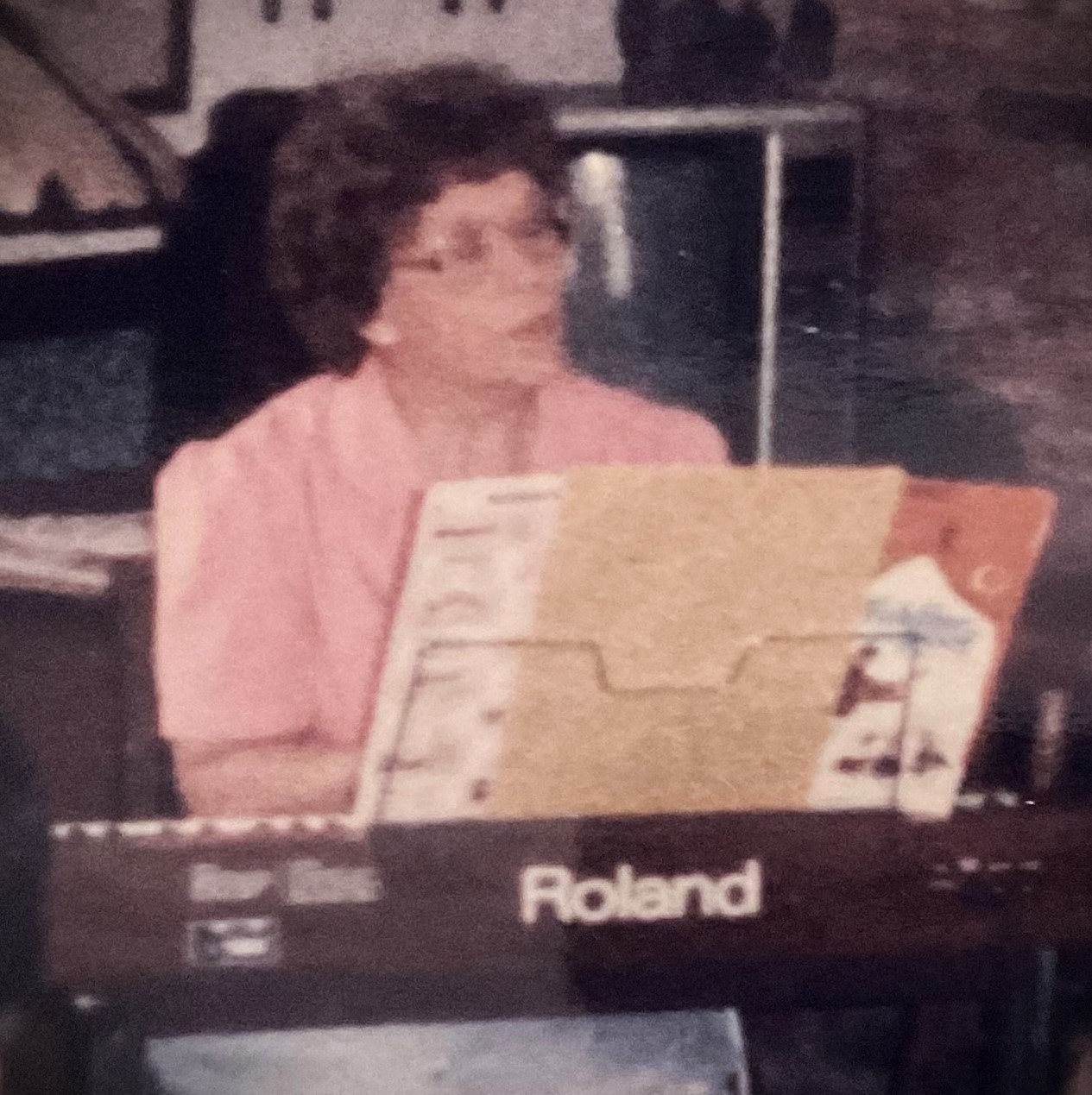
Lydia grew up in Scott County, Indiana, an only child in a home where learning and creativity were simply part of everyday life. Her father was a pharmacist, her mother the town librarian. She loved to draw, discovered an early gift for the piano, and eventually fell in love with a boy she had first met in grade school. That boy became her husband, and together they built a life that would last a lifetime.
The Ritters raised four children—Lisa, Bob, Julie, and, several years later, Bill—surrounding their home with music, laughter, and the kind of encouragement children often don’t fully appreciate until they become parents themselves.
Bob smiles when he remembers coming home from junior high after discovering the music of Grand Funk Railroad. One afternoon he walked into his room and found the band’s newest album lying on his bed. His mother had somehow figured out it had just been released. She hadn’t made an announcement or expected thanks. She had simply noticed what mattered to her son.
That was Lydia.
She paid attention.
The whole family remembers another side of her just as fondly.
She was gentle.
Until something stirred her convictions.
Then this five-foot-two mother would climb onto what the family jokingly called her “soapbox” and passionately explain whatever injustice had captured her attention. Her children eventually found an old cape at a thrift store, painted the letters “CKA” across the back, and presented it to her.
Captain Kick-Ass.
She laughed as hard as anyone because she understood exactly what they meant.
She cared deeply.
Even as a little boy, Bob knew his mother was someone he never wanted to disappoint. Once, after announcing that he was running away from home, Lydia gently replied that she would miss him very much.
His determination lasted only a moment.
“Well,” he answered, “you could go with me.”
It remains one of his favorite family stories because it captures something every child hopes is true.
Home wasn’t really home without her.
Life eventually brought challenges Lydia never would have chosen.
After she and her husband guaranteed a loan for another family, the borrowers walked away, leaving the Ritters responsible for two mortgages. Not long afterward, rheumatoid arthritis began changing Lydia’s body. For many people, that diagnosis would have marked the beginning of retreat.
For Lydia, it became another circumstance to meet with quiet determination.
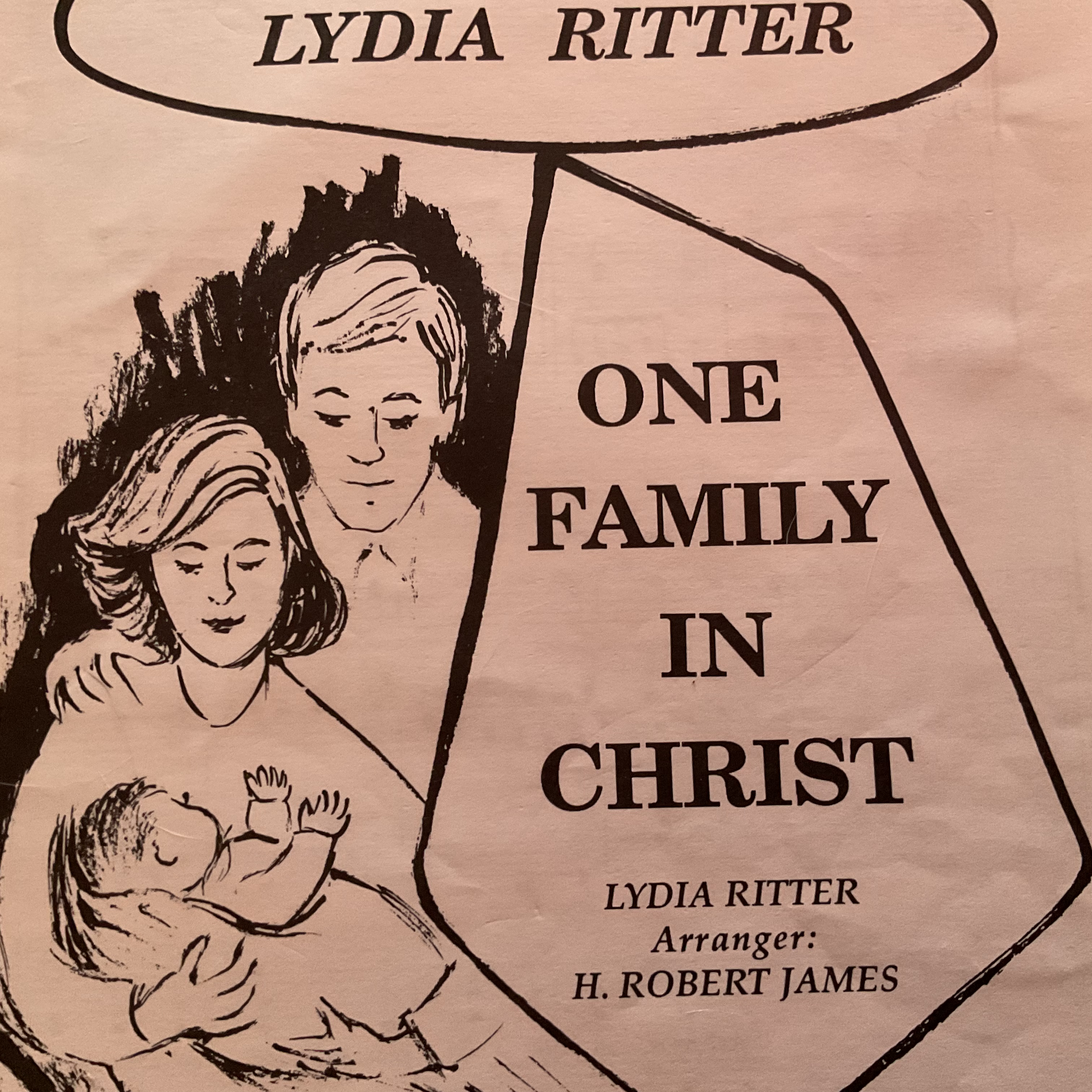
She continued playing the piano beautifully. Her graceful handwriting never changed. She kept writing songs, and even while living with constant pain she created a children’s recording called The Family Team, encouraging the very family values she and her husband had worked so hard to build in their own home.
She simply refused to let hardship have the final word.
When Bob thinks of his mother today, one memory returns every spring.
Lydia loved planting purple flag irises around the yard, and they still bloom where she once cared for them. Whenever he bends down to smell them, he is no longer an adult. He is eight years old again, standing in his mother’s yard.
Some fragrances don’t simply remind us of someone. They take us home.
If Bob could spend one more day with Lydia, there would be no grand adventure.
They would sit together. Talk. Laugh. Play music.
He would thank her for believing in him before he fully believed in himself. He would tell her that the music she quietly nurtured in a little Indiana boy became the work of his lifetime.
But perhaps she already knows.
Parents like Lydia rarely measure success by their own accomplishments.
They measure it by watching those they love discover their gifts.
Today, listeners know Bob Ritter as a songwriter and musician.
Bob knows where that song first began.
It began with a quiet mother who filled a home with music, noticed what mattered, laughed often, persevered through hardship, and showed her children that the strongest lives are often lived without fanfare.
That was Lydia Ritter’s gift.
Stay through the end of the episode to hear Bob perform his original song, “Lydia Lee,” a heartfelt musical tribute to the mother whose love, encouragement, and quiet faith continue to echo through every note.