
Nurturing the Gift
Mary Bomar Honors Her Mother, Joan Bomar
About This Story
Joan Bomar believed every child deserved to feel loved, encouraged, and capable of becoming all God intended them to be. Whether she was welcoming neighborhood children into her home, playing the piano, preparing a meal, or quietly encouraging her youngest daughter to keep singing, Joan had a remarkable way of lifting people up without ever drawing attention to herself.
Looking back, Mary realizes her mother’s greatest gift wasn’t simply nurturing a love of music.
It was nurturing the people entrusted to her care.
Episode Photographs


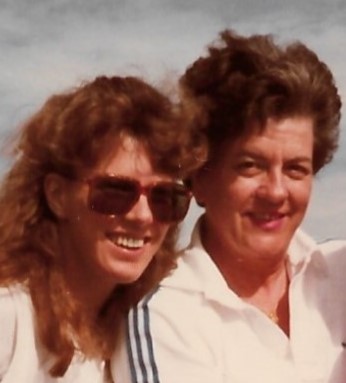
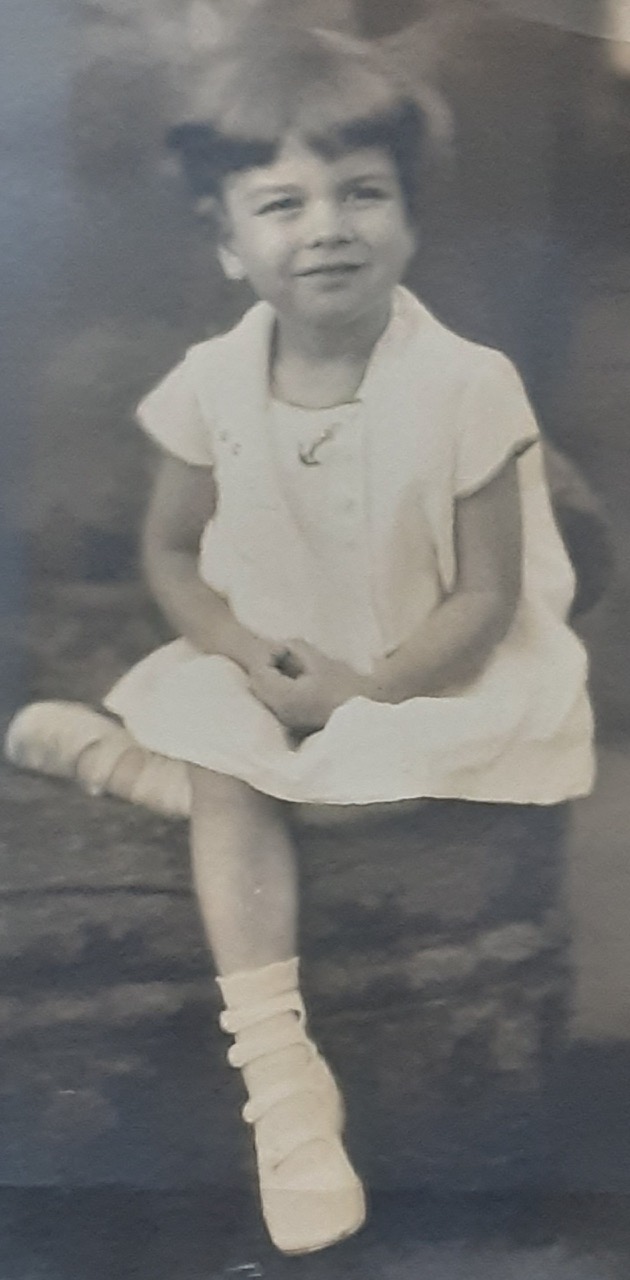
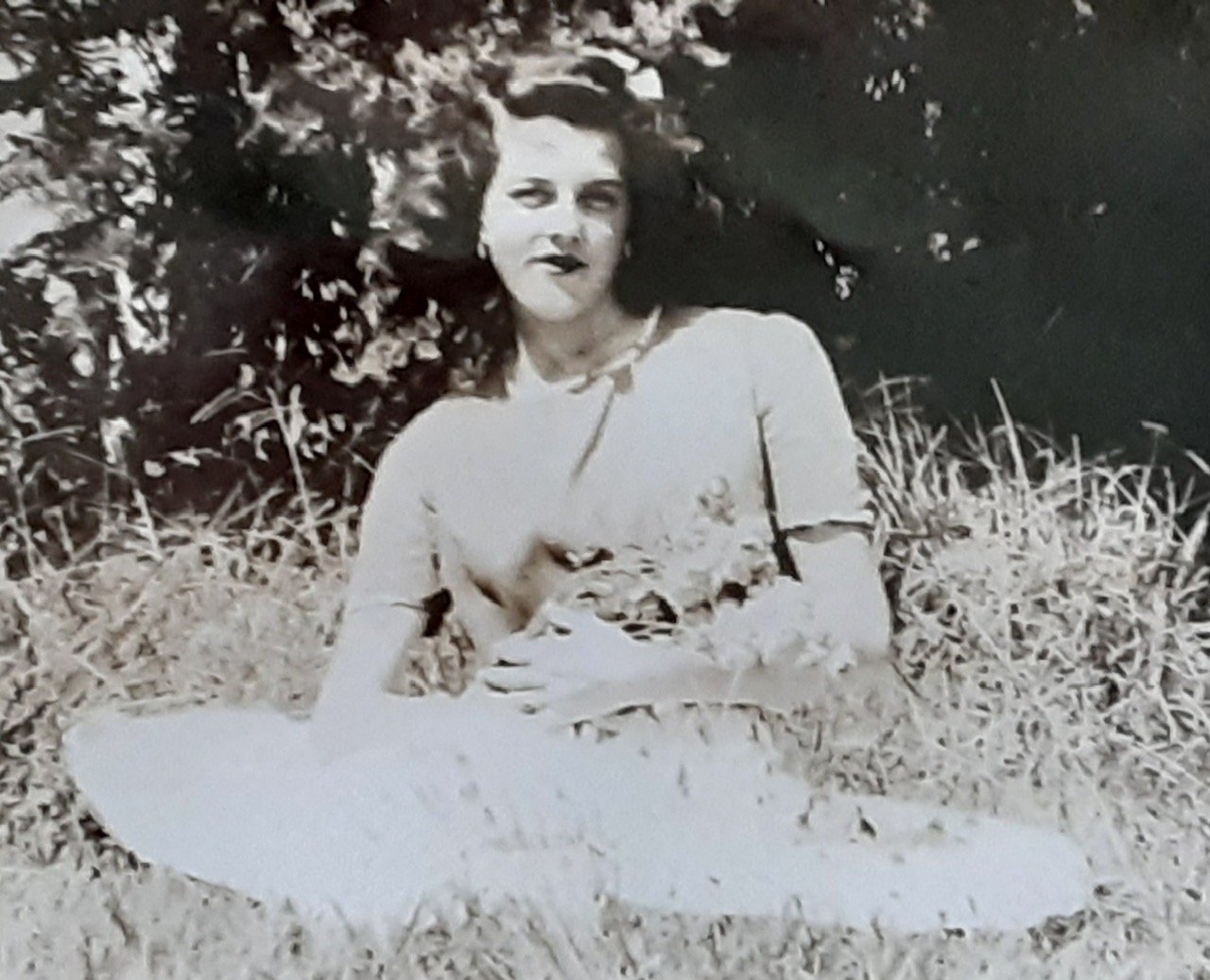
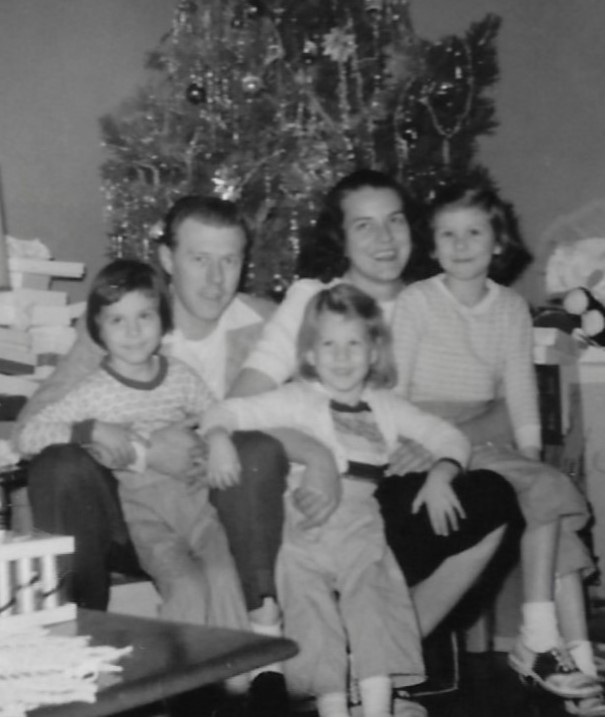
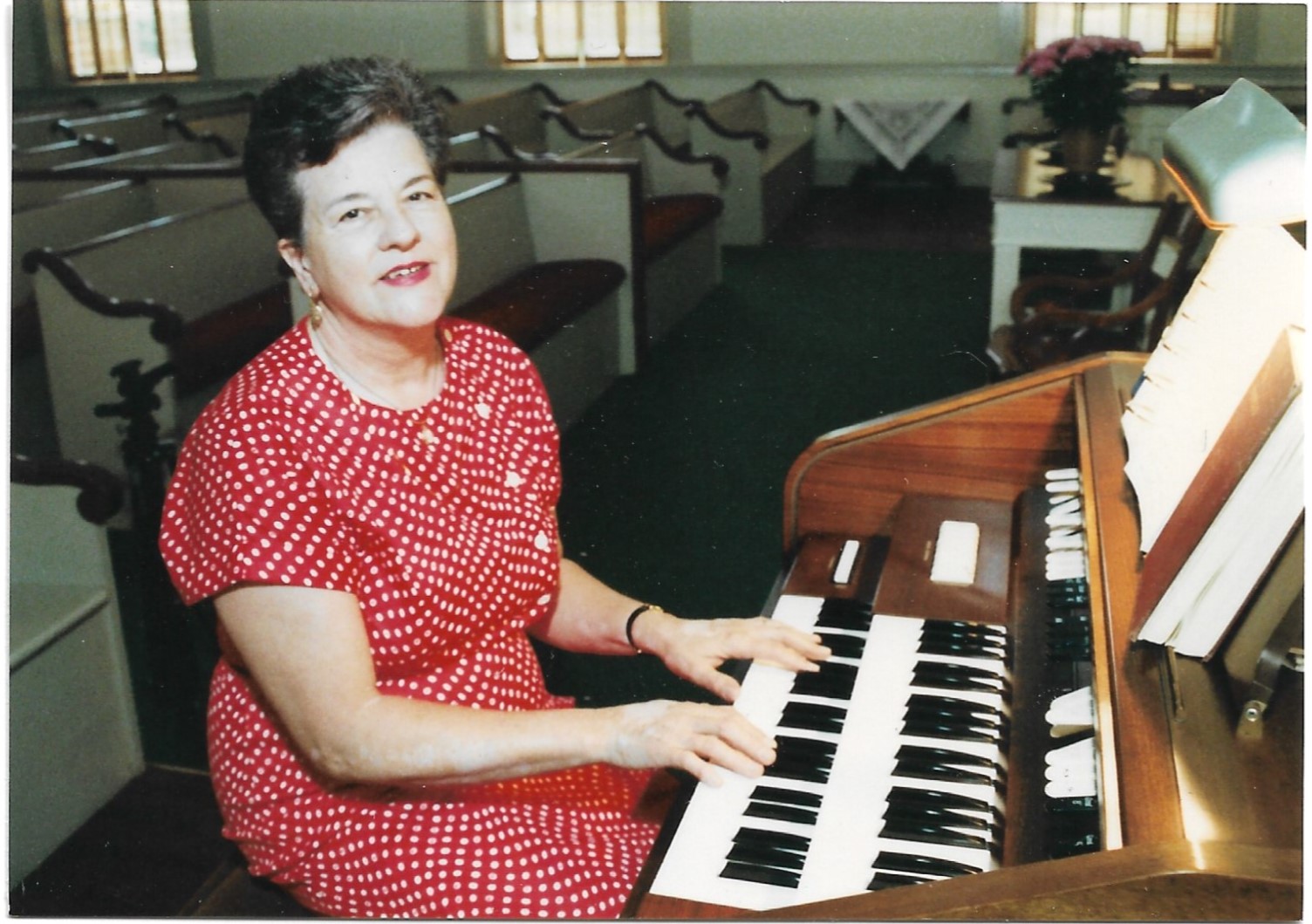
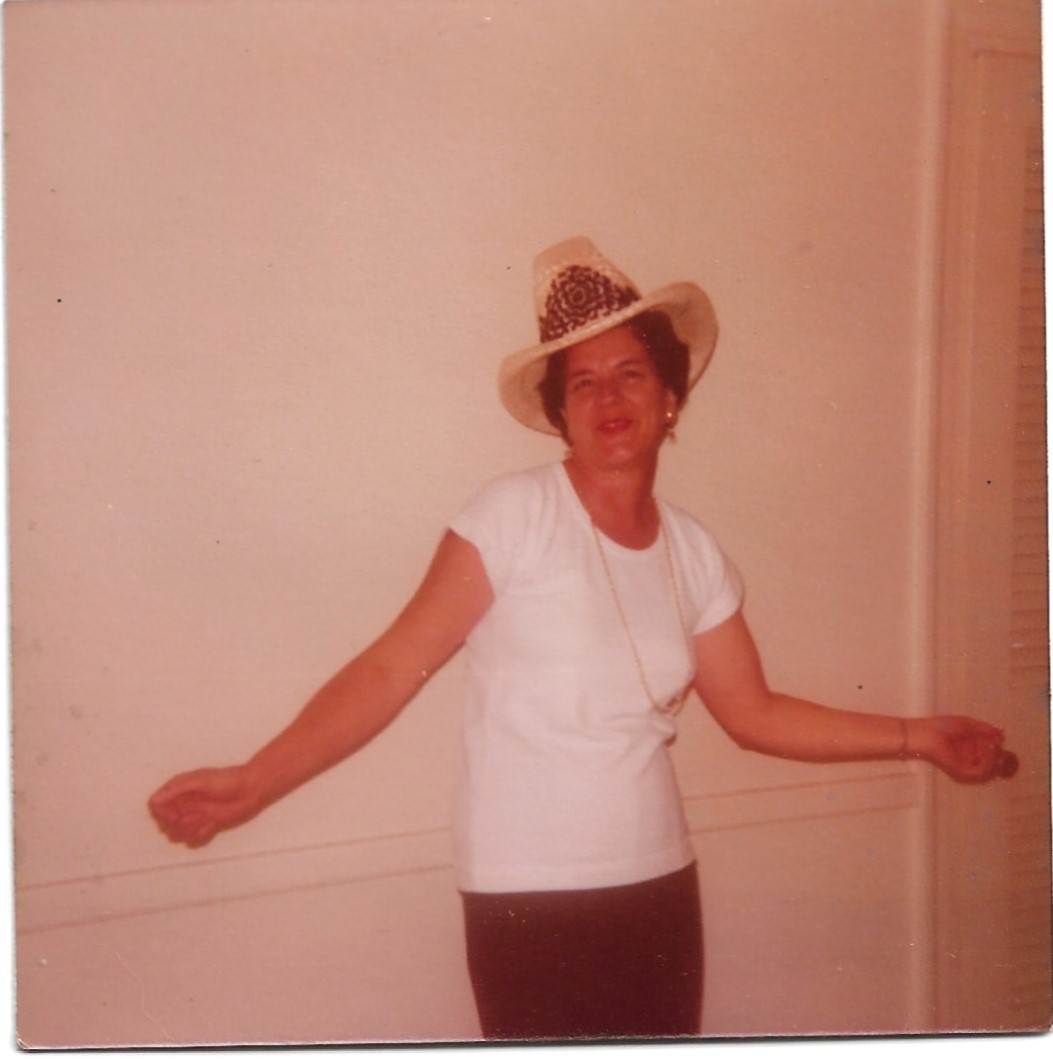
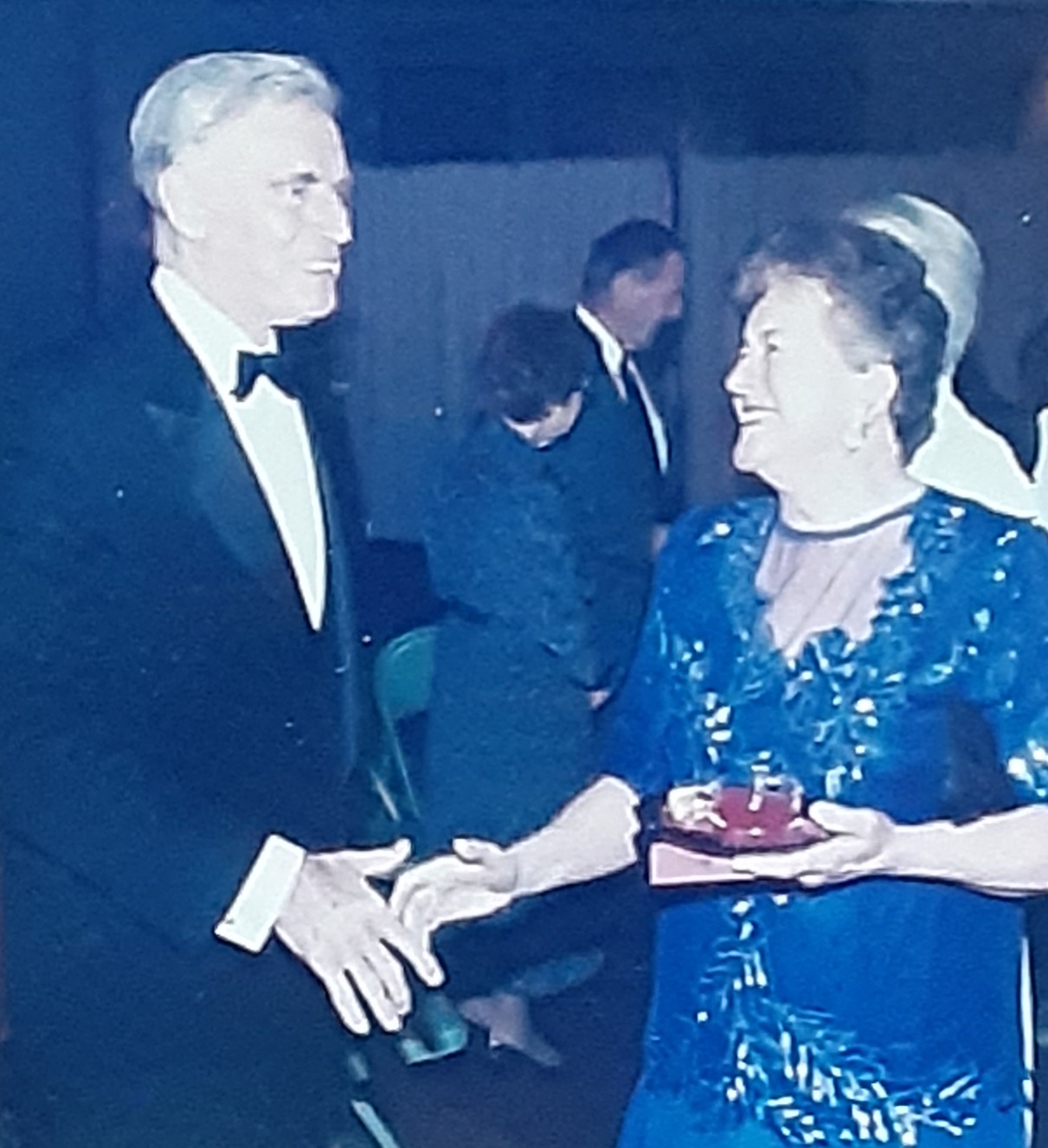
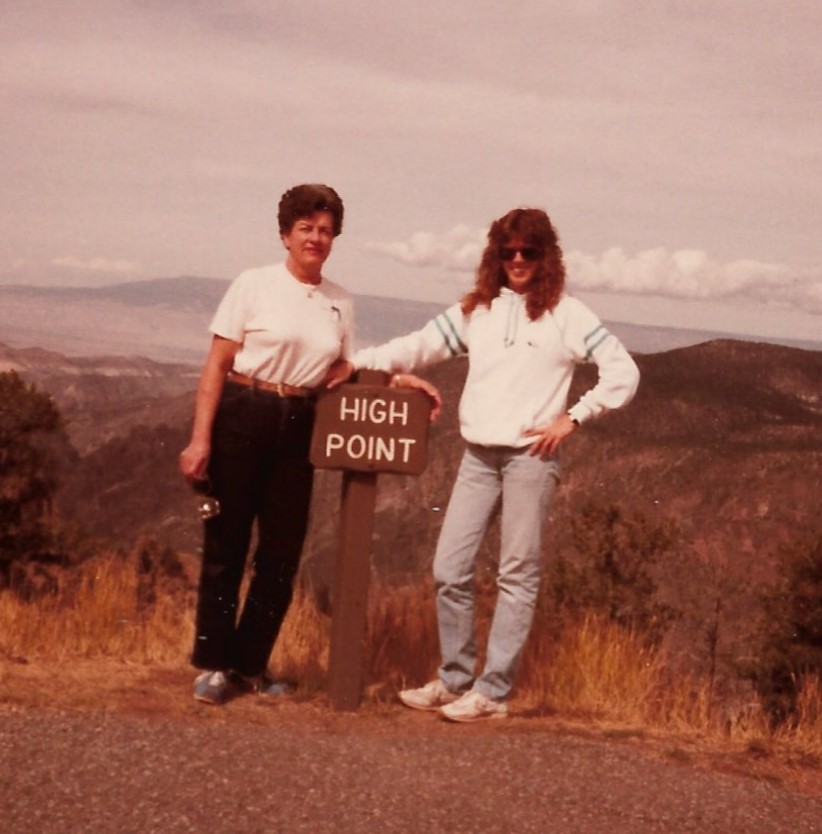
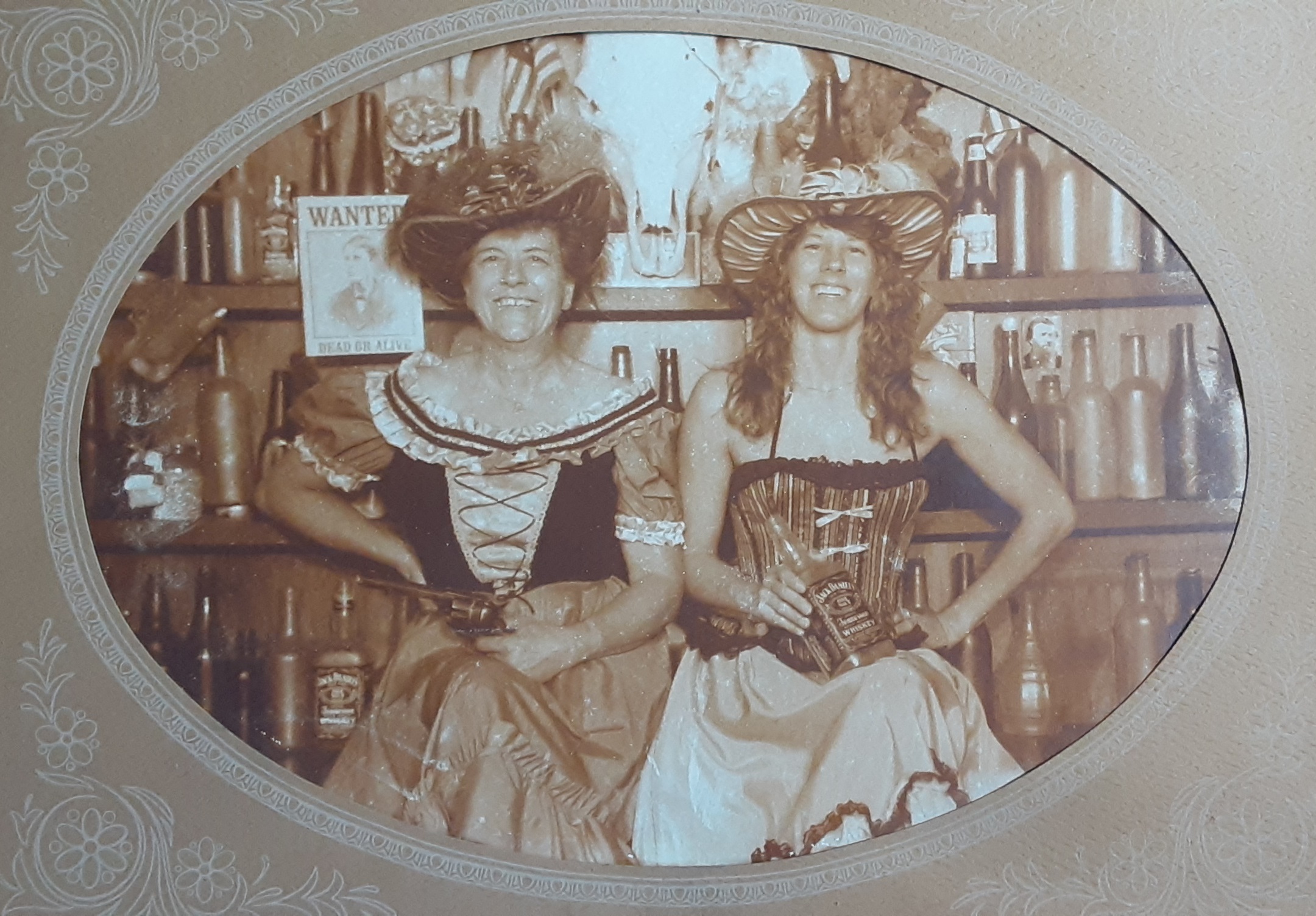
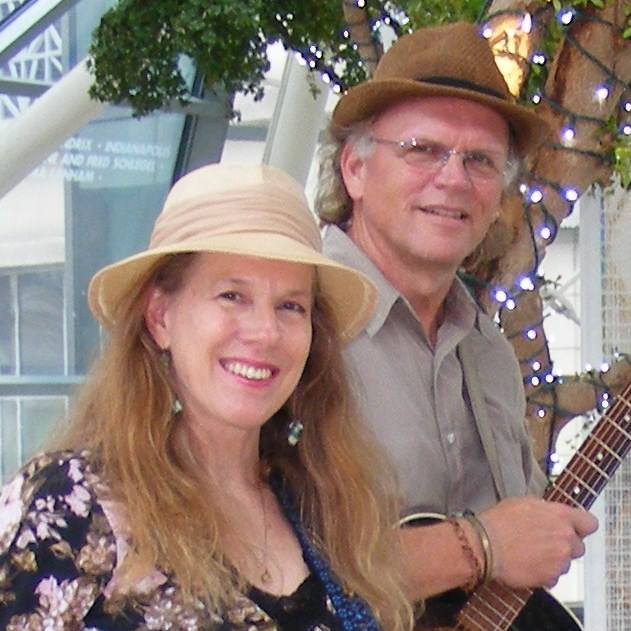
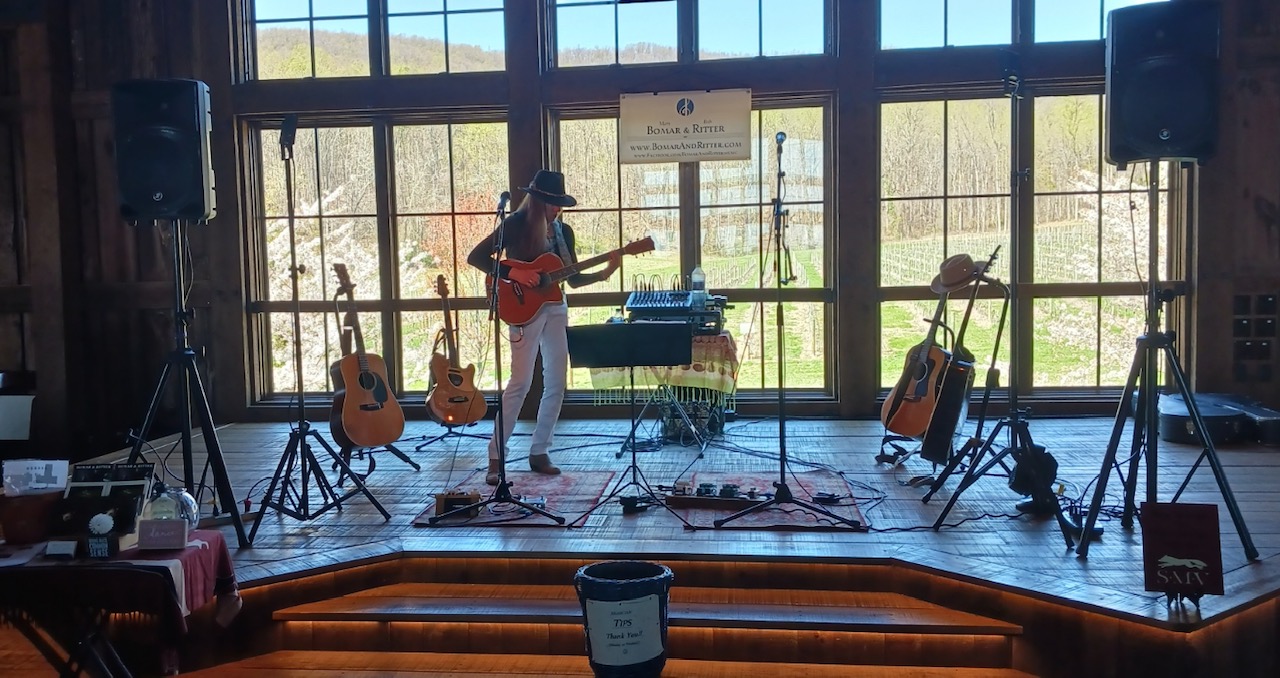
More to Explore
Bomar & Ritter
Mentions
Legacy Stories - Related Info
The Our American Family public television docuseries is the inspiration for Legacy Stories. As a thank-you during the launch of Legacy Stories, all eight Our American Family documentaries are available for free viewing at the link above.
Karlijn Langendijk is a Dutch guitarist and composer known for her melodic imagination and genre-blending acoustic style. Her composition, Atlas, has been chosen as the theme music for Legacy Stories.
Nurturing the Gift
Mary Bomar Honors Her Mother, Joan Bomar
Some people leave behind accomplishments.
Others leave behind the way they made people feel.
When Mary Bomar remembers her mother, Joan Corinne Phelps Bomar, she remembers someone who welcomed people in, believed in them, and somehow made each person feel they mattered.
Joan grew up in Greensboro, North Carolina, before her family moved to Alta Vista, Virginia, where her father operated a hardware store. As a teenager she worked alongside him, inheriting much of his determination and strong will. Her mother was gentle by nature, but Joan possessed a healthy measure of her father’s stubbornness.
Years later, a young man named Blue Bomar began following her around town in an old Ford, announcing his arrival with an ooga horn. Her father wasn’t impressed.
Joan was.
Before long, the two eloped, beginning a marriage that would eventually bring three daughters into the world.
Mary was the youngest.
By then, Joan was only twenty-one years old.
Money wasn’t plentiful. The family lived for years with Joan’s parents before moving across the street into a home of their own. Mary’s father managed the local gas station, and while other families in the neighborhood had more, Mary never remembers feeling that she had less.
What she remembers is her mother. Joan was always there. Helping with homework. Listening. Cooking.
Watching over the neighborhood children who seemed just as comfortable in the Bomar home as her own daughters. She fed them, listened to them, and somehow found room in her heart for every child who wandered through the front door.
She had a special gift with children. She didn’t simply watch them play. She joined them. She got down on the floor. She became a little girl herself. She let children climb onto her back, pretending to be a pony, laughing every bit as hard as they did.
Today, when Mary finds herself sitting on the floor with children, playing at their level instead of watching from across the room, she smiles.
Without realizing it, she became her mother.
Music was woven just as naturally into family life. Joan sang beautifully and played the piano with remarkable sensitivity, listening carefully to every singer she accompanied. Although she had taken lessons as a young girl, Mary believes her mother’s greatest musical gift wasn’t technique. It was heart.
When Mary received a guitar for Christmas as a teenager and began teaching herself to play, Joan became her biggest encourager. She wasn’t a stage mother, pushing her daughter toward someone else’s dream.
She simply recognized a gift. And she nurtured it.
One piece of advice remained with Mary for the rest of her life. “Sing so everyone can understand every word you’re saying,” Joan told her. “And hold your notes out at the end of the line. Don’t chop them off.”
Years later, audience members still compliment Mary on the clarity of her voice.
She smiles every time she hears it. Mom was right.
Yet music wasn’t the only inheritance Joan left behind.
When Mary wasn’t feeling well, her mother would quietly stroke the side of her head, just above her ear.
It was a simple gesture. Gentle. Comforting. Completely unforgettable.
Years later, Mary has caught herself doing the very same thing for someone else. Love, it seems, has a way of passing from one generation to the next without ever announcing itself.
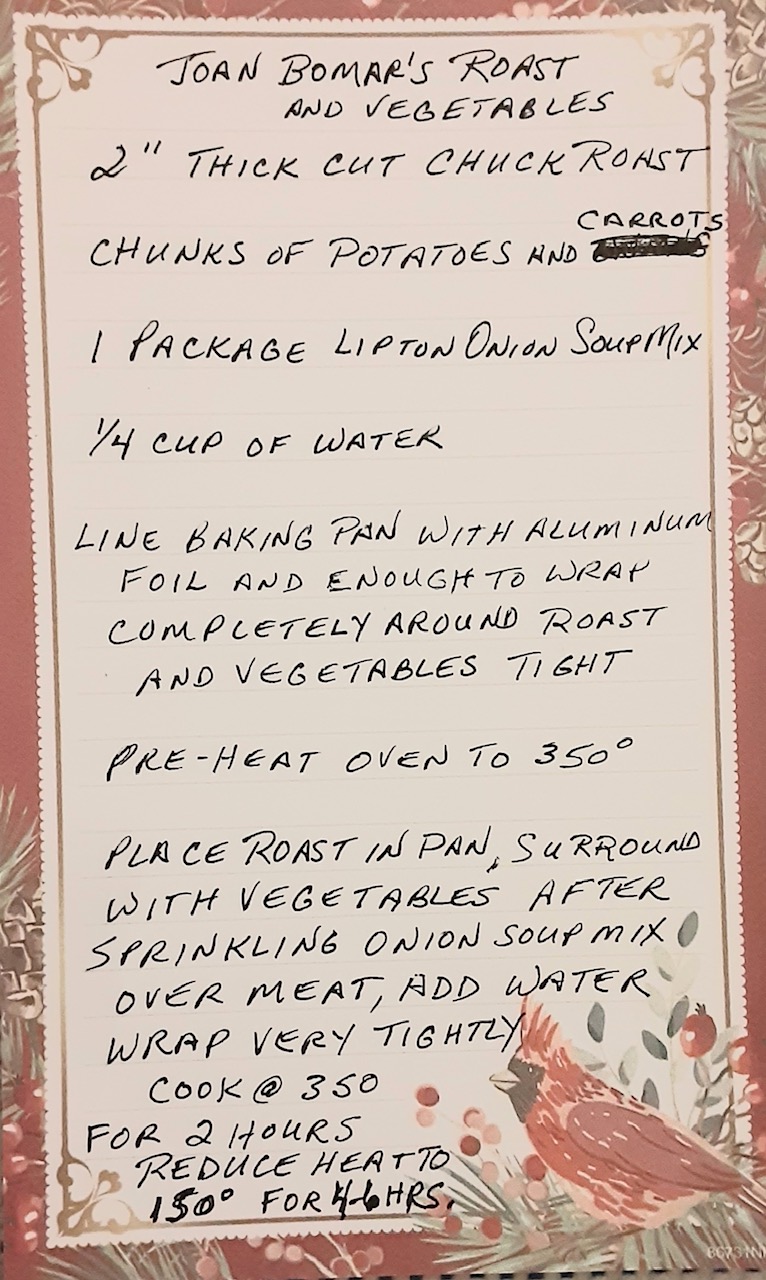
The kitchen carried its own memories. Sunday often meant fried chicken. Neighbors hoped for Joan’s famous roast beef with vegetables, slow-cooked with French onion soup seasoning until it practically melted apart. The meal became something of a neighborhood legend. (Joan's recipe is located in the photo gallery above - enjoy!)
But even more memorable than the recipes was the hospitality that surrounded the table. People always felt welcome there.
Joan’s generosity rarely sought recognition. Her faith ran deep, though she didn’t wear it loudly.
Sometimes she quietly bought a load of firewood for a family in need and had it delivered anonymously.
Other times she prepared meals for neighbors who were struggling. She simply noticed people. Then she helped them.
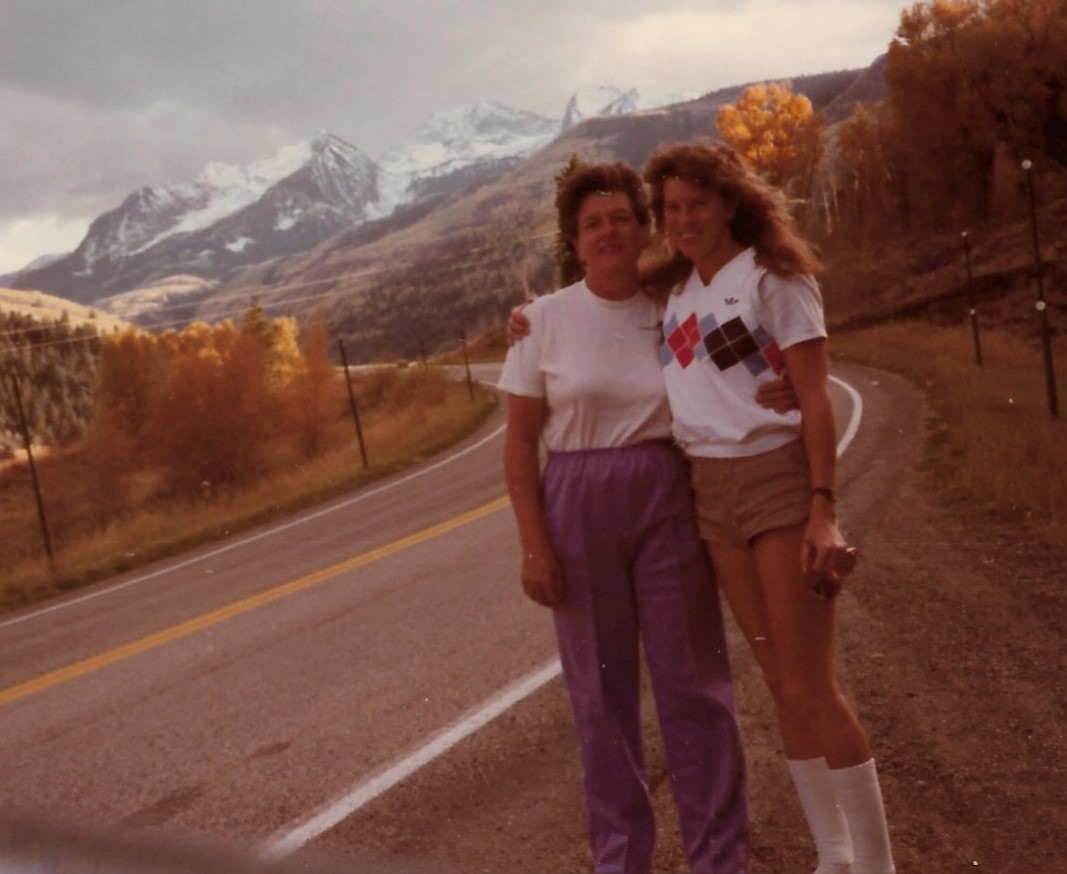
One of Mary’s happiest memories came much later, when she and her mother climbed into the car and drove across America together. They crossed the Midwest, marveled at the Rocky Mountains, met a real cowboy, navigated mountain roads after dark, and even found themselves being warned by police that a fugitive was somewhere nearby. Eventually they reached San Francisco, spending a week exploring together. Looking back, Mary doesn’t remember the miles nearly as much as she remembers the joy of sharing them with her mother. It remains one of the greatest adventures of her life.
If given one more day with Joan, Mary wouldn’t ask for anything extravagant.
She would find a quiet place outdoors. She would play music. She would thank her mother for every word of encouragement, every sacrifice, every gentle correction, and every quiet act of love that shaped the woman she became. She would tell her one more time what she had never hesitated to say while Joan was living.
“I love you.”
Because in the Bomar family, those words were never left unsaid.
Today, people know Mary Bomar as a gifted musician. Mary knows where that gift was first nurtured.
It began with a mother who believed that children flourish when they are loved well… who knelt on the floor to enter their world… who quietly encouraged rather than pushed… and who understood that the greatest legacy we leave is not found in our own accomplishments, but in the lives we lovingly help grow.
That was Joan Bomar’s gift.
And because she shared it so freely, it continues to bless others, one life at a time.
Stay through the end of the episode to hear Mary perform an original song inspired by the mother whose love and encouragement shaped both her life and her music.