
Melissa DuPuy Honors Her Dad, Monty DuPuy
A Father’s Influence
About This Story
To generations of South Carolinians, Monty DuPuy was a familiar voice on the radio and a familiar face on television. Over a broadcasting career that spanned decades, he informed, entertained, and families welcomed him into their homes through his long-running television program, Monty’s Rascals.
To his youngest daughter, Melissa, he was simply Dad.
Behind the microphone was a man whose kindness, curiosity, and encouragement shaped her life in ways she continues to appreciate today. Looking back, Melissa realizes that while thousands remember what her father did, those who knew him best remember who he was.
Episode Photographs




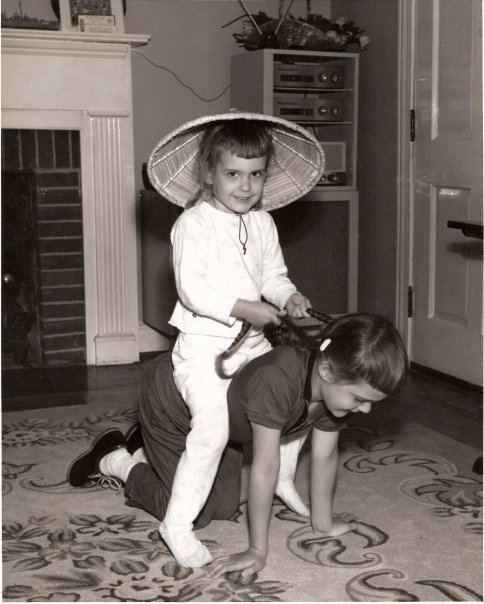
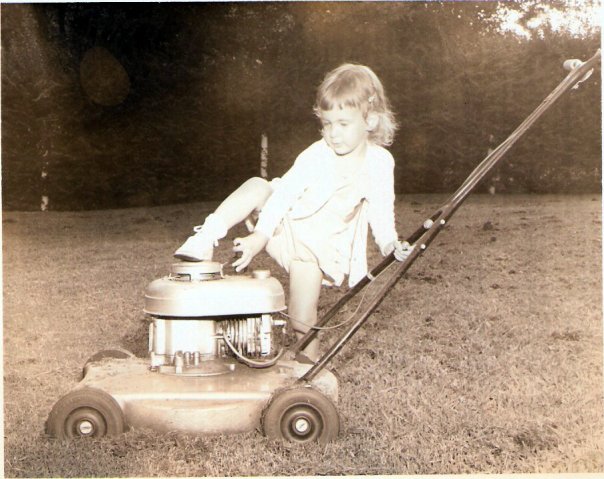

More to Explore
Melissa DuPuy
Collaborations
Produced by Melissa DuPuy, Legacy is an album of Celtic music written by Melissa and Steve Young, featuring Marty Young, Audrey Young and guest artists
Melissa assembled some of Nashville's finest instrumentalists, along with Celtic vocalists, to create this two-album set of Christmas music to support Living Waters for the World, a global clean water ministry
Legacy Stories - Related Info
The Our American Family public television docuseries is the inspiration for Legacy Stories. As a thank-you during the launch of Legacy Stories, all eight Our American Family documentaries are available for free viewing at the link above.
“Atlas” by Karlijn Langendijk is used under license as the theme music for Legacy Stories.
A Father's Influence
Melissa DuPuy Honors Her Father, Monty DuPuy
Long before television personalities became celebrities, there was a broadcaster in Greenville, South Carolina, who quietly became part of everyday life.
His name was Monty DuPuy.
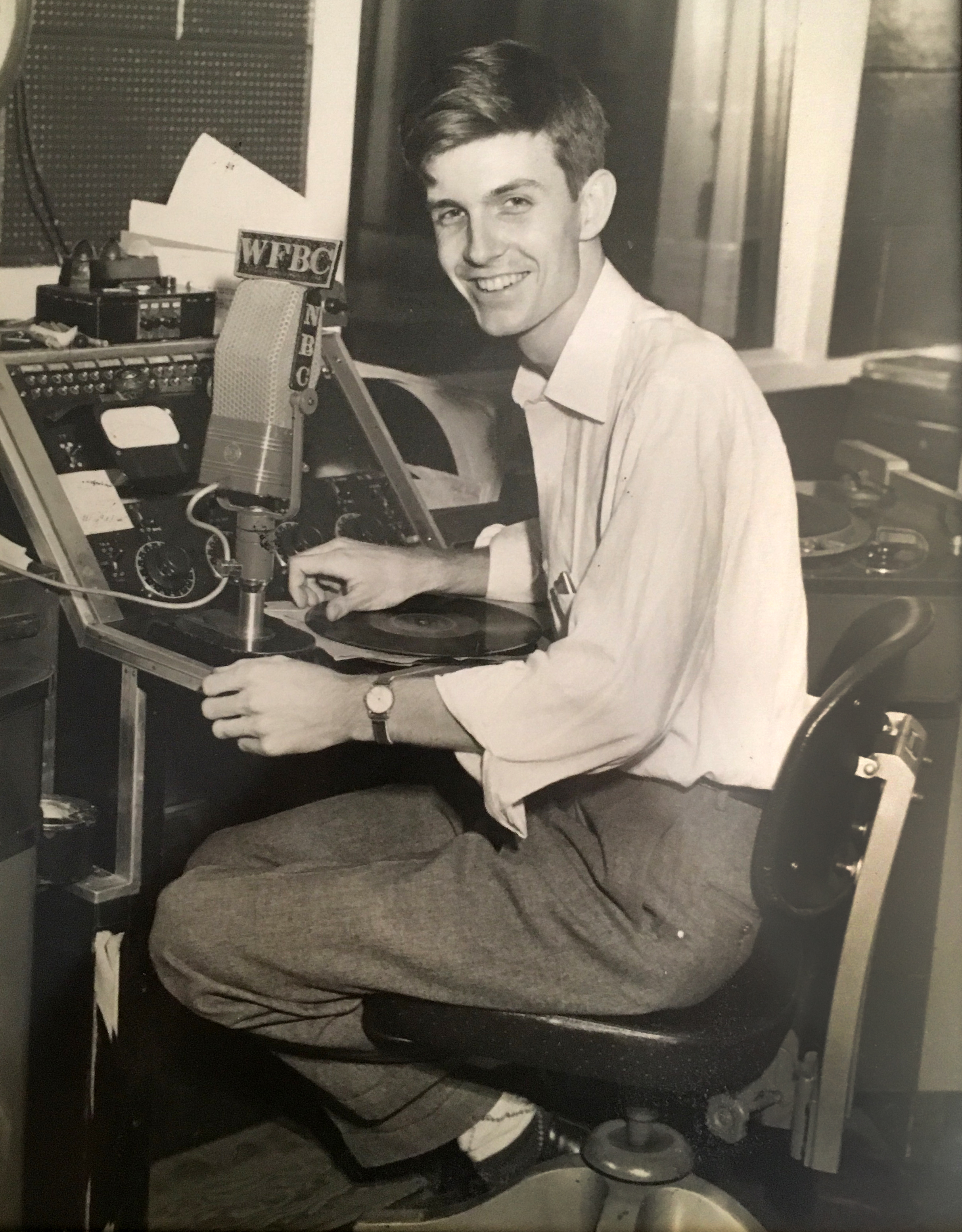
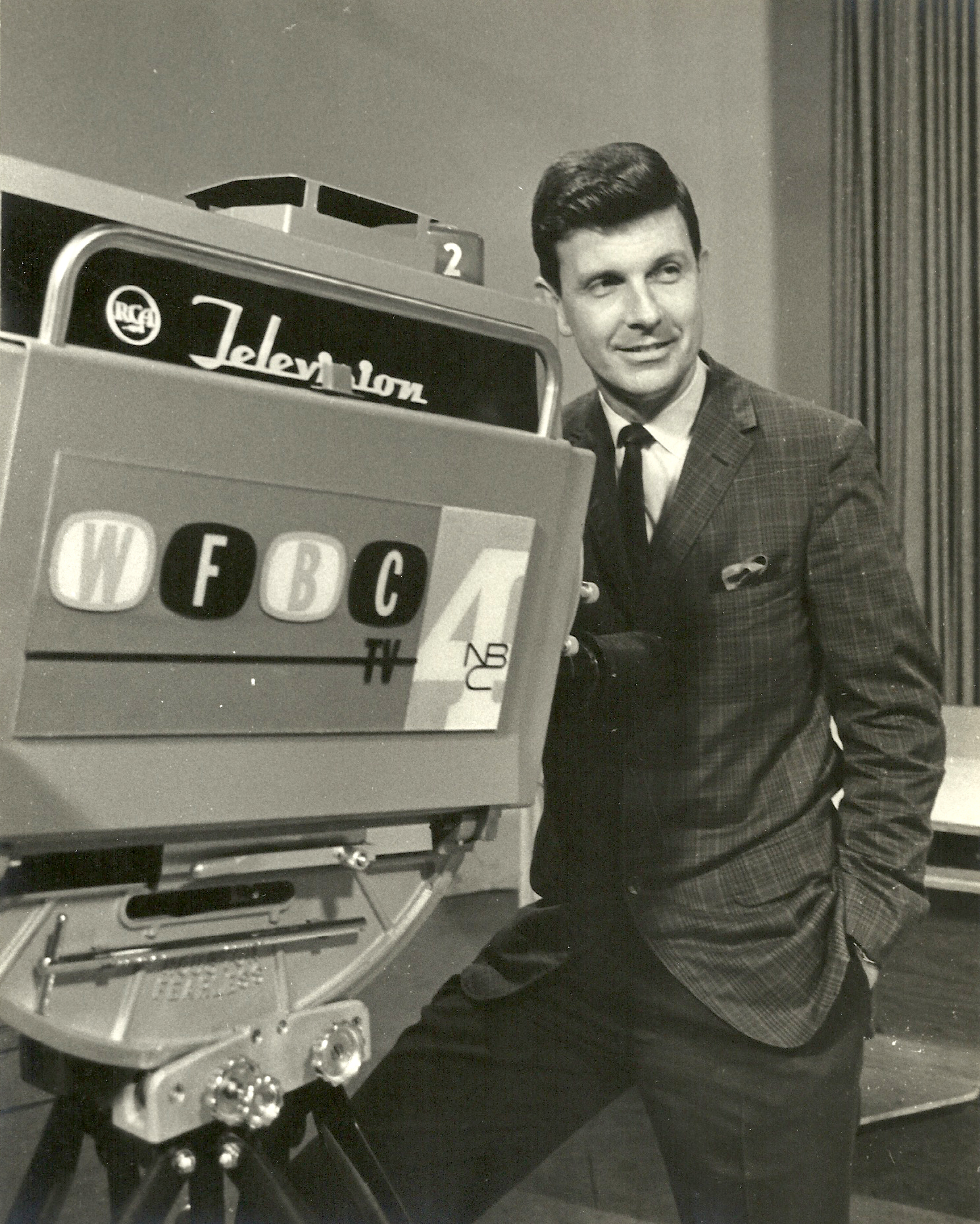
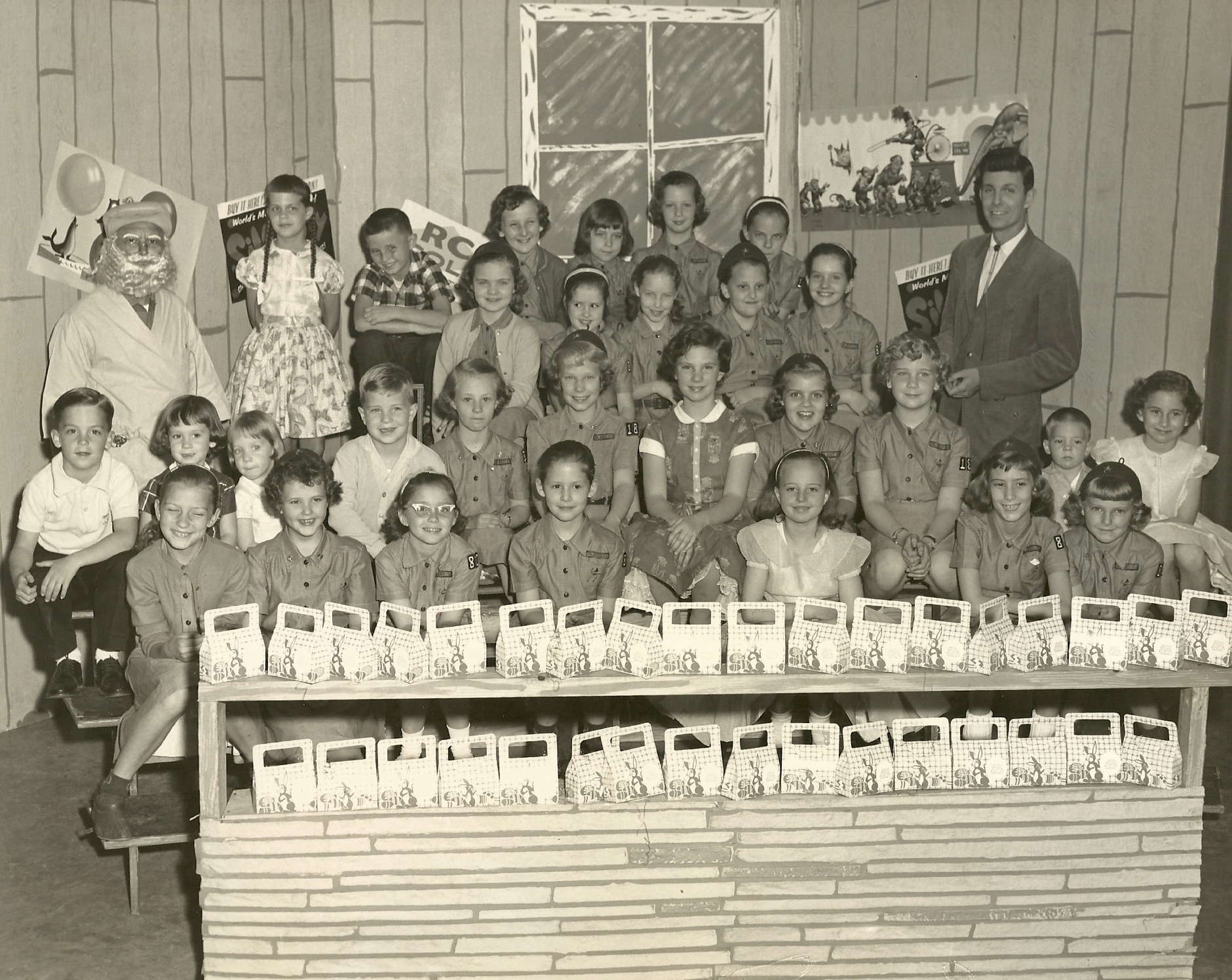
He began his career at WFBC in 1949 when he was just nineteen years old. As television emerged, he made the transition with it, serving as a radio personality, news director, news anchor, weathercaster, and eventually the beloved host of Monty’s Rascals, a children’s television program that became part of growing up for generations of South Carolina children. His broadcasting career would continue in one form or another well into his seventies.
Long before any of that, though, Monty was simply a boy who marched to his own drummer.
Born in Tampa in 1929 to parents much older than most, he grew up knowing surprisingly little about his own family history because so many who could have answered his questions were already gone. His parents eventually served as home missionaries in the mountains of Nelson County, Virginia, helping establish a small church and care for the surrounding community.
As a teenager, Monty’s innocence often produced stories that became family favorites.
Once, while away at boarding school, he bleached his dark hair. Instead of blond, it turned bright orange, and he shaved it into a Mohawk. On another occasion, he wore pajamas on a camping trip because, as he later explained, no one had told him what you were supposed to wear. He came home with pneumonia—and another story that never failed to make his family laugh.
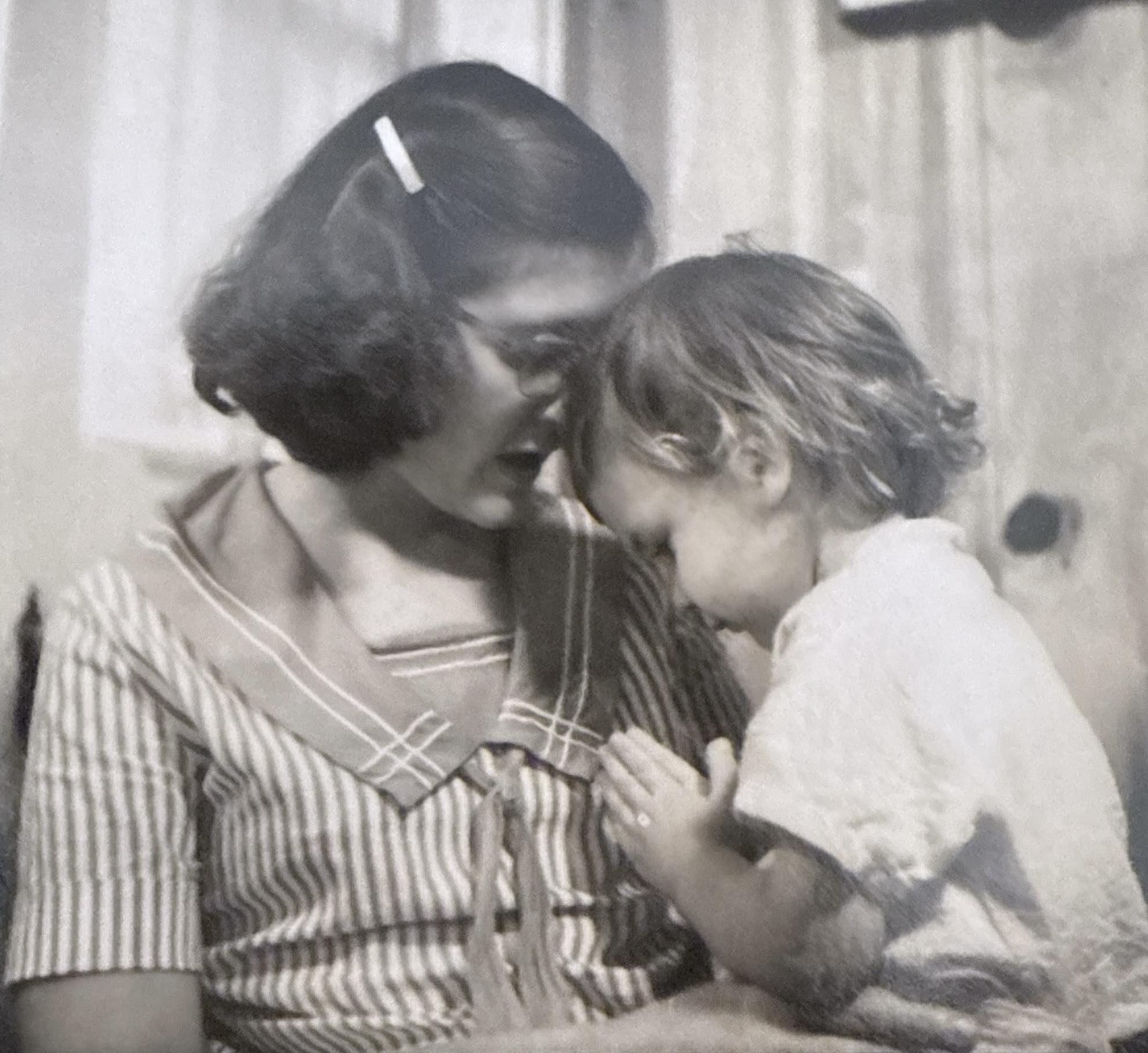
Melissa was the youngest of three daughters.
As television became part of American life, Monty’s Rascals became part of childhood for families across Greenville.
For Melissa, that created a childhood that was both ordinary and unusual.
He was her father, but he was also the man other children watched on television. She remembers being very small and waking in the morning to find some little trinket or surprise from the show, evidence that her father had been there.
“Yay,” she would think. “He was here.”
Her older sister once had an even sharper realization. While visiting a neighbor’s house, the news came on, and there was Monty on the screen. Indignant, she asked, “What is my daddy doing on your television?”
Away from the cameras, Monty delighted in simply being a father.
He and Melissa went fishing.
They played chess in the evenings.
They explored photography together.
He played the violin, and together they made music.
Melissa also loved visiting the television and radio station, where the smell of warm vacuum tubes and old cigarette smoke mixed with microphones, recording equipment, and the excitement of broadcasting. Those visits opened a world that fascinated her from the time she was a little girl.
Music became another thread that bound father and daughter together.
Because of his work, the family often attended symphony concerts, chamber music performances, and other musical events. Both Monty and Melissa’s mother encouraged her love of music from the very beginning, supporting her studies and eventually the professional life she built as a musician, teacher, producer, and arranger.
As Melissa grew older, she came to understand why people were always stopping to speak with her father.
Listeners felt they knew him.
Children remembered him.
He welcomed every conversation.
Looking back, Melissa believes there was a simple reason for that.
Her father genuinely believed the best in people.
It wasn’t something he talked about.
It was simply the way he lived.
If Melissa could spend one more day with her father, she knows there would be gratitude.
She would tell him that he had been right about more things than she understood when she was young.
She would thank both him and her mother for believing in her musical gifts, encouraging her dreams, and making it possible for her to devote her life to music.
Today, many people still remember Monty DuPuy as the broadcaster they welcomed into their homes.
Melissa remembers the father who welcomed everyone else into his heart.
His influence wasn’t measured by years on the air.
It was measured by a life lived with curiosity, kindness, generosity, and an unwavering belief in the goodness of other people.
That is the legacy he passed on.
And like the familiar voice that once greeted South Carolina each day, its echo continues still.