
Time to Fly
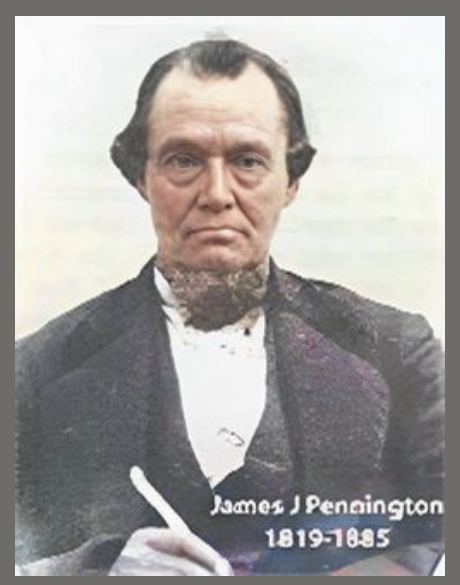
Terri Knott Honors Her Great-Great-Grandfather Major James Pennington
About This Story
Every family has stories that are passed from one generation to the next. Some become cherished memories. Others become folklore.
For Terri Knott, one family story seemed almost impossible to believe. Relatives insisted that her great-great-grandfather, Major James Jackson Pennington, had invented a flying machine before the Wright brothers. It was a wonderful story—but was it true?
Years later, an unexpected passion for flying led Terri to search for the answer. What she discovered connected her to a remarkable ancestor in ways she never imagined.
Episode Photographs


.png)






Legacy Stories - Related Info
The Our American Family public television docuseries is the inspiration for Legacy Stories. As a thank-you during the launch of Legacy Stories, all eight Our American Family documentaries are available for free viewing at the link above.
Karlijn Langendijk is a Dutch guitarist and composer known for her melodic imagination and genre-blending acoustic style. Her composition, Atlas, has been chosen as the theme music for Legacy Stories.
Time to Fly
Terri Knott Honors Her Great-Great-Grandfather, Major James Jackson Pennington
Some family stories are told so often they begin to sound like legends.
Terri Knott grew up hearing one of them.
Somewhere in her family tree was a man named Major James Jackson Pennington who, according to family lore, had invented a flying machine before the Wright brothers.
It was an intriguing story.
It was also difficult to believe.
So, like many family stories that can’t quite be proven, it settled into the background of family history—retold from time to time, but never fully understood.
Years later, Terri’s own life took an unexpected turn.
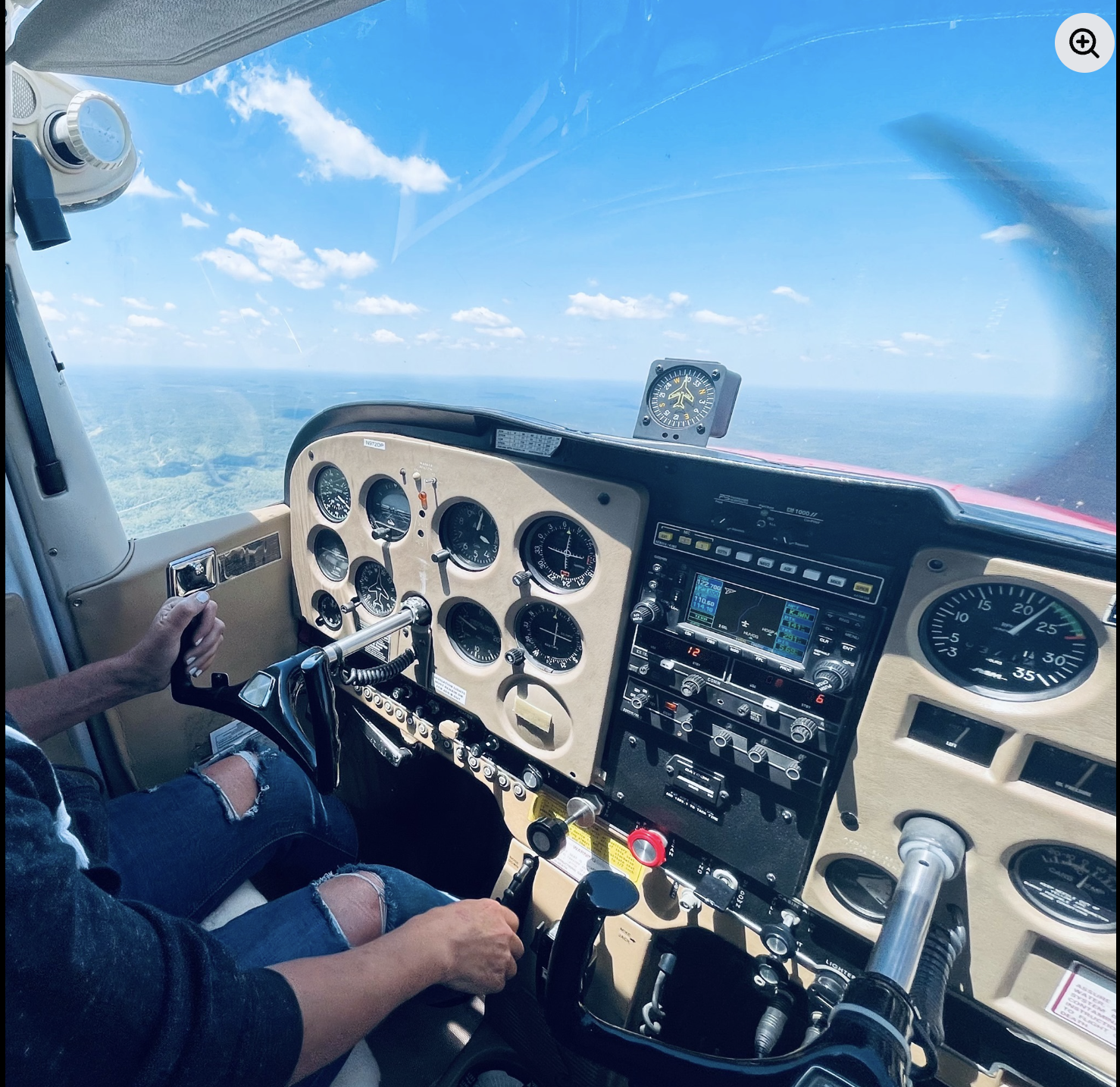
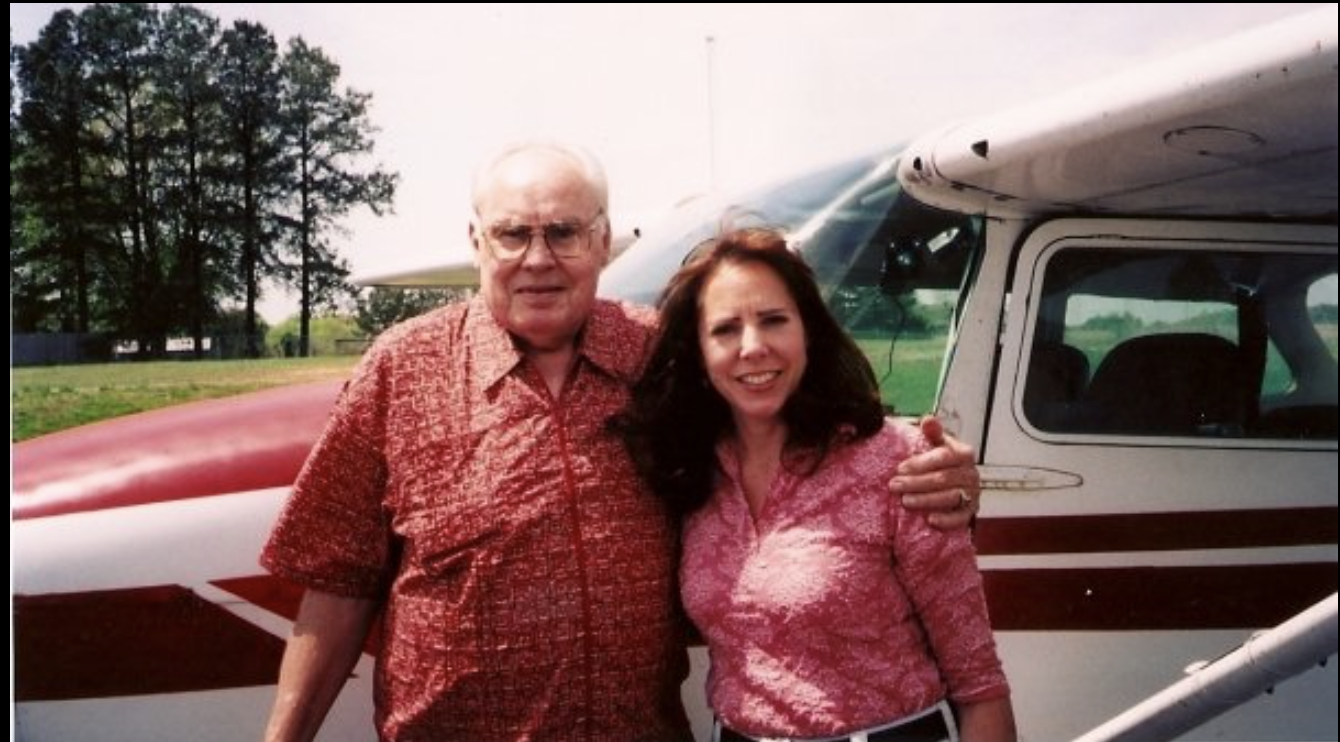
After a career in journalism and marketing, she picked up a book about flying. On impulse, she drove to a nearby airport and asked for a single lesson.
“Just one.”
Those, she now says with a smile, were famous last words.
The moment the airplane left the ground, something stirred within her.
Flying wasn’t simply exciting. It was exhilarating. Peaceful. Almost spiritual.
Whenever she traveled, she looked for opportunities to fly in new places, seeing the world from perspectives few people ever experience.
As her love of aviation grew, the old family story returned.
What if there had been more truth to it than anyone realized?
Terri began asking questions.
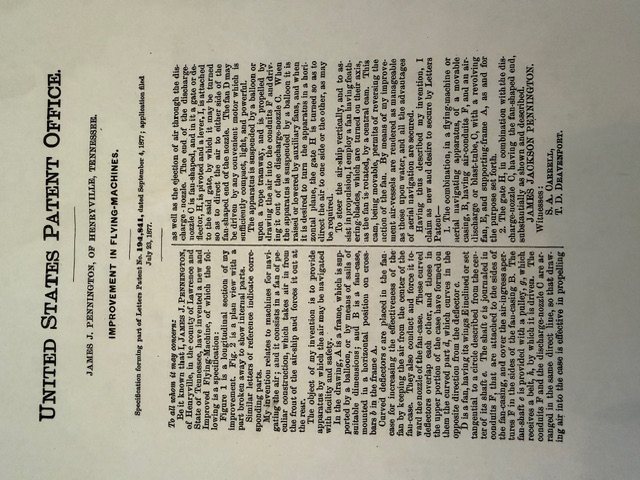
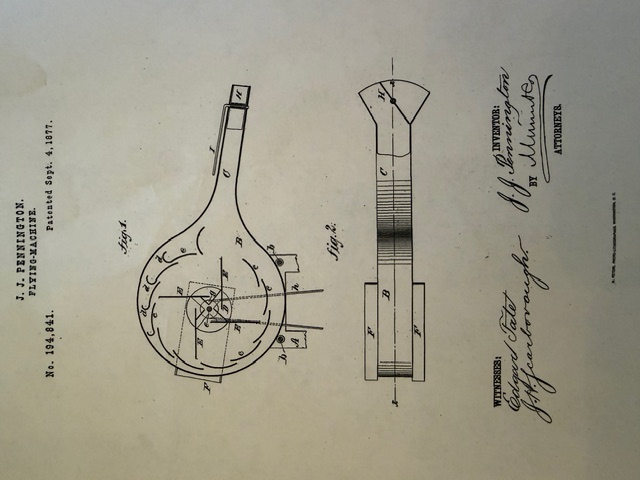
She talked with relatives. She searched historical records. Finally, she wrote to the United States Patent Office.
When the documents arrived, family folklore became family history.
In 1877, Major James Jackson Pennington had indeed received Tennessee’s first patent related to a flying machine—decades before the Wright brothers. His invention proposed moving air through a balloon with a fan to create lift.
The more Terri learned, the more remarkable her great-great-grandfather became.
Major Jim was known as an inventor, a dreamer, and a man with what she describes as a “very big personality.” He served as postmaster and mayor, carried his flying model to an exposition in Louisville seeking financial support, and even corresponded with contacts in France, convinced that flight would one day change the world.
His own words reveal just how boldly he dreamed.
“I have power to go and to guide right and left and up and down, and that’s all that a buzzard has or any other fowl. I can cross the briny deeps, and plane the North Pole, and conquer the world, and will stop all wars. I have the bird, but not the money.”
Terri smiles at both the ambition and the optimism.
He believed flight would transform transportation.
He even hoped it might end war.
History unfolded differently than he imagined. But his willingness to dream beyond what others thought possible left a lasting impression.
As she continued researching, another realization quietly emerged.
She had always considered herself someone who had followed an unconventional path. So had Major Jim.
She had been unexpectedly drawn to flying. So had he.
What once felt like coincidence began to feel like connection.
Not because she inherited his invention. Because she inherited something far more personal.
His curiosity. His willingness to dream. His refusal to let others decide what was possible.
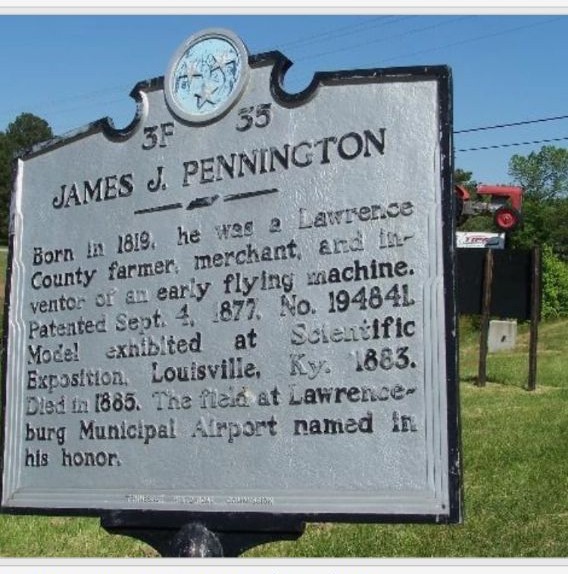
Eventually, Terri flew to Lawrence County, Tennessee, where an airport had once been named Pennington Field in honor of her great-great-grandfather.
The people there welcomed her warmly. They showed her the historical marker. Pilots working in nearby hangars eagerly shared stories they had heard for years.
The man who had once seemed like little more than family folklore had become part of the community’s history as well.
When Steve Young asked what she would do if she could spend one more day with Major Jim, Terri didn’t hesitate.
“I would take him up!”
She imagines lifting off together into a quiet evening sky, watching the sun settle beyond the horizon.
One memory returns often.
Flying home one evening, alone in the airplane, with no one else in the pattern, she looked toward the setting sun and thought, “Man, I’m good. If it ends tomorrow for me, what a trip I’ve had.”
Then she smiles.
“I suspect Major Jim was probably right there with me in that magical moment.”
Perhaps that’s how legacy works.
Sometimes it isn’t found in the things our ancestors accomplished. Sometimes it’s found in the dreams they awaken generations later.
Major James Jackson Pennington dreamed of flight.
His great-great-granddaughter found herself living it.