
Just Daddy
Rebecca Nelson Honors Her Father, Jack Cristil
About This Story
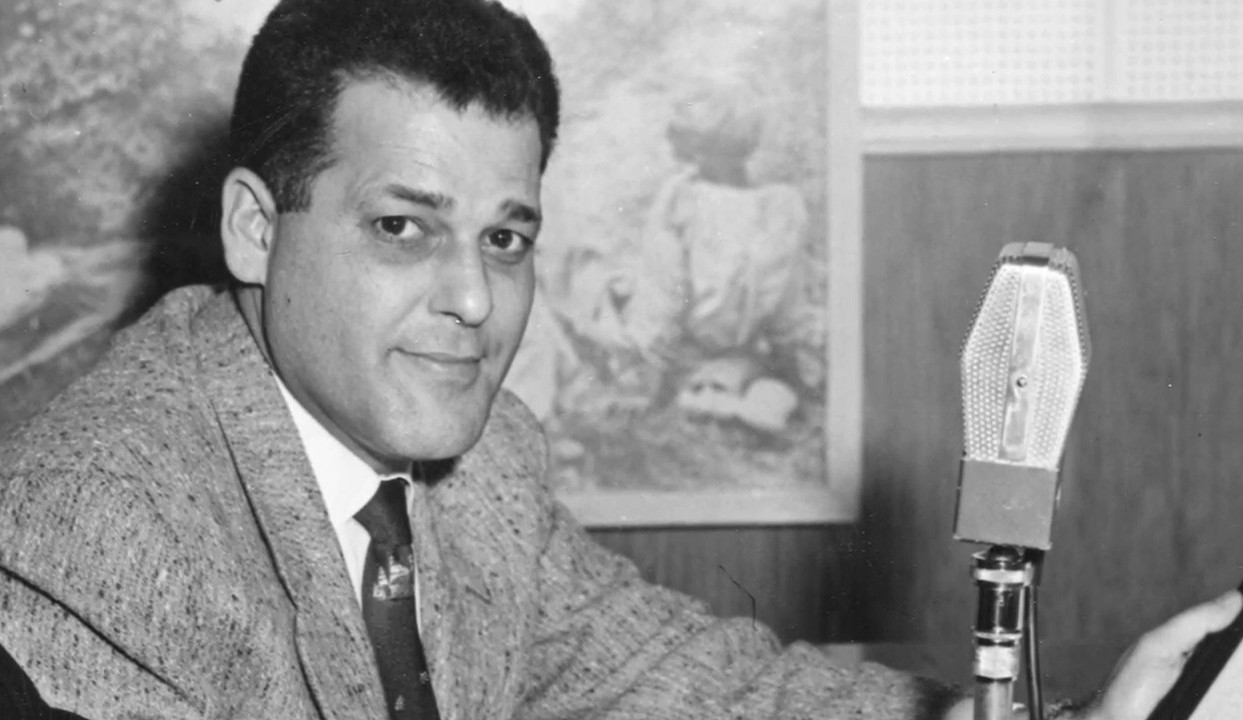
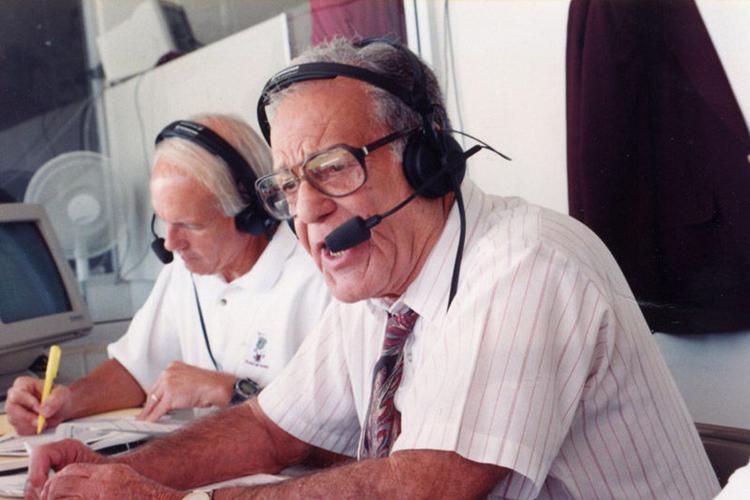
To countless fans across Mississippi, Jack Cristil was the unmistakable voice of Mississippi State athletics. Others knew him as a respected broadcaster, community leader, and devoted lay leader at Temple B’nai Israel in Tupelo.
To Rebecca Nelson, he was simply Daddy.
Behind the familiar voice was a husband who made breakfast every morning, a father who never stopped putting his family first, and a man whose greatest influence was measured not by the games he called, but by the life he quietly lived at home.
Episode Photographs
.jpg)
.jpg)
.jpg)
.jpg)


.png)
.jpg)
.jpg)

.png)
.jpg)









More to Explore
Legacy Stories - Related Info
The Our American Family public television docuseries is the inspiration for Legacy Stories. As a thank-you during the launch of Legacy Stories, all eight Our American Family documentaries are available for free viewing at the link above.
“Atlas” by Karlijn Langendijk is used under license as the theme music for Legacy Stories.
Just Daddy
Rebecca Nelson Honors Her Father, Jack Cristil
Long before Jack Cristil became one of Mississippi’s most recognizable voices, he was a little boy in Memphis with a radio.
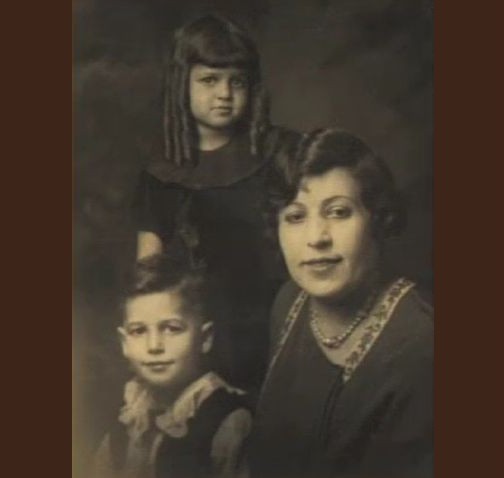
Born in 1925 to parents who had emigrated from the former Soviet Union, Jack grew up during the Great Depression. His father spent much of his life away in Colorado receiving treatment for tuberculosis, leaving his mother to raise six children.
Like so many children of that generation, Jack later said he never realized they were poor.
Everyone around him was, too.
As a boy, he became captivated by baseball broadcasts from St. Louis.
He could hardly imagine how one man sitting at a ballpark could describe every pitch, every hit, every play to a little boy hundreds of miles away.
He decided then what he wanted to do with his life.
And he never changed his mind.
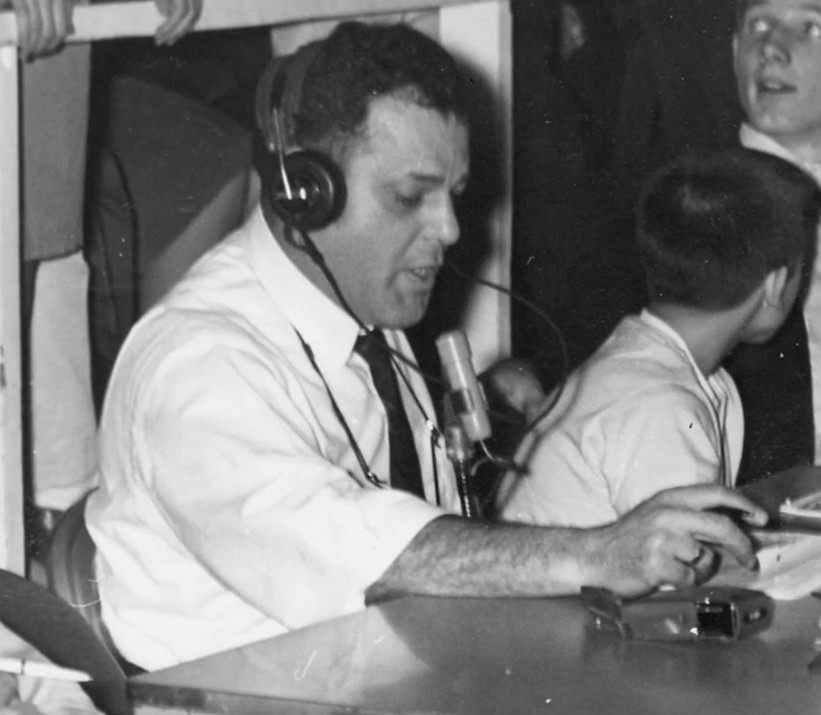
Most people came to know Jack Cristil through a microphone.
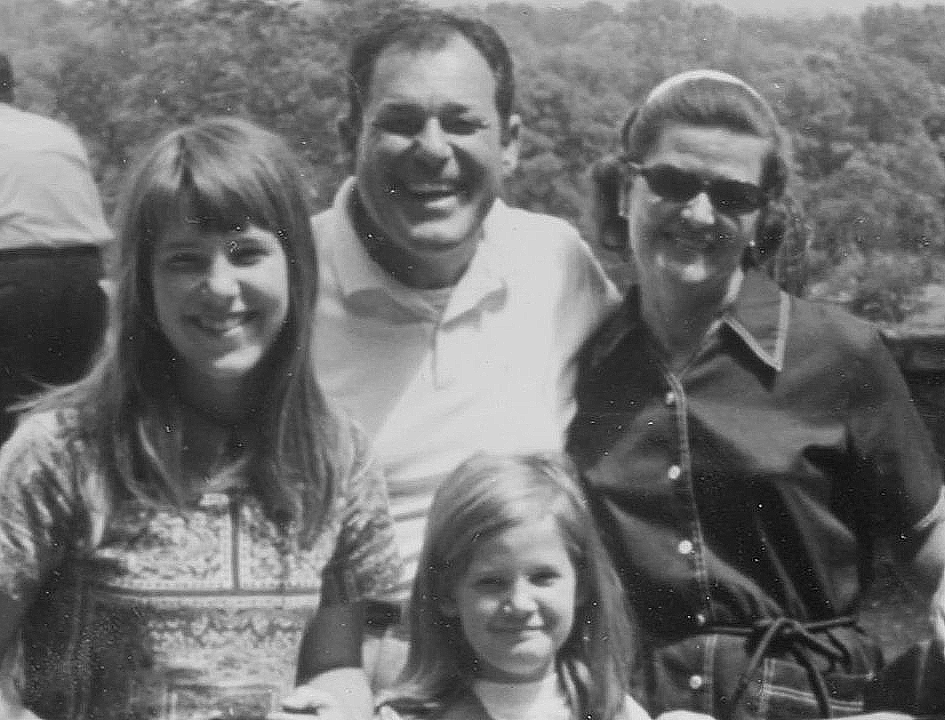
His daughters, Rebecca and Kay, knew him from the kitchen.
Every morning, Daddy was the first one awake. He made breakfast. Pancakes one day. Scrambled eggs another. Sometimes simply cereal on a Friday. Always orange juice.
It had begun years earlier when Rebecca’s mother, Mavis, was expecting their first child and Jack decided he would make breakfast for her.
He simply never stopped.
Rebecca and her sister grew up assuming every father made breakfast.
It wasn’t until a classmate mentioned that her mother cooked breakfast that they realized their family might be a little different.
There were neighborhood adventures that still make Rebecca smile.
The family didn’t own a swimming pool, but a neighbor who owned a local motel generously welcomed them to use the motel pool. Rebecca remembers jumping from the diving board while Daddy waited below to catch her, or riding on his back as he swam underwater across the pool. Home movies captured those carefree afternoons.
Looking back, she calls those years “the Mayberry days.”
Everyone knew everyone. Neighbors looked after one another. Children belonged to the whole neighborhood. For Rebecca, it was the perfect childhood.
Of course, she eventually realized her father wasn’t just her daddy. He belonged to the public, too.
In first grade she wrote a letter to Mississippi State quarterback Joe Reed. She signed it not “Love” or “Your friend.” She signed it: Jack Cristil’s daughter. Even then, she knew people would recognize the name.
But there was another side of Jack that many people never saw.
At Temple B’nai Israel in Tupelo, where there was no rabbi, he faithfully led worship services and welcomed visitors from churches throughout the community who wanted to learn about Judaism. Rebecca watched her father build bridges of understanding, opening the doors of the synagogue to anyone who wanted to learn.
Near the end of his life, weakened by years of dialysis, he turned to begin a Friday evening service.
She braced herself for a frail voice. Instead, the same rich baritone that had filled stadiums and sanctuaries for decades filled the room once again. It was, she says, as though the strength came from somewhere much deeper.
Rebecca describes her father as a complex man.
He had extraordinarily high standards for himself, and he expected the same of others. At work, there was no room for carelessness. If someone failed to do the job well, it reflected on the individual, the radio station, and Mississippi State. Excellence mattered, and he worked tirelessly to achieve it.
After returning from late-night road trips covering Bulldog athletics, he might arrive home at two in the morning. Four hours later he was back on his feet, making breakfast for his family before heading off to another day of work.
His work ethic became one of the greatest gifts he passed on to his daughters.
But that wasn’t the whole man.
When Rebecca was in the sixth grade, she was involved in an automobile accident that claimed the life of a friend’s mother. The next morning, it was Daddy who sat quietly beside her. With remarkable gentleness, he told his daughter what had happened. Rebecca has never forgotten the tenderness with which he carried that heartbreaking conversation. It remains one of her clearest memories of her father.
Perhaps nothing revealed Jack’s heart more than the way he loved Rebecca’s mother. Whenever he received an award, he thanked his wife and daughters. Long after Mavis died from lupus in 1988, people continued telling Rebecca the same thing. “Your daddy put your mama on a pedestal.”
They were right.
After her mother’s death, Jack quietly became the keeper of family traditions. Every Sunday he called his daughters. Whenever they came home, he cooked spaghetti exactly the way their mother had made it—with shell pasta—or prepared her pot roast in the very same pan she had always used. He once told them, “Nothing changes. It’s just that Mama won’t be here anymore.”
Rebecca knows now that everything had changed.
But Daddy was doing everything he could to make sure his daughters still felt at home.
Years later, Rebecca found her father’s old WELO briefcase. Taped inside were two quotations that had quietly guided his life. One reminded him that every adventure brings its own difficulties and that a life without risk can become a life of boredom. The other became, in many ways, the summary of the man he was:
“No man has a right to live in a community, take unto himself all of the good things of life, social advantages for his family, educational opportunities for his children, without giving something of his own time, talent, and energy, to benefit the common good.”
Rebecca realized she had watched her father live those words every day.
He gave back to his community. He never felt the need to announce it. He simply did it.
If she could spend one more day with him, she wouldn’t ask to sit in the broadcast booth.
She would go home.
Back to 1310 Marquette Street.
Maybe they’d sit on the front porch swing.
Maybe on the backyard patio while Daddy grilled steaks on a Saturday evening.
Friends would wander over. Stories would be shared. The neighborhood would feel just as it always had.
The rest of Mississippi remembers Jack Cristil.
Rebecca remembers Daddy.
And to her, that is the legacy that matters most.